



Original-data articles for the AEO era.
AI engines cite the data they cannot find anywhere else. Every article below contains proprietary research, internal benchmarks, or first-party data - the same content engine we sell to clients.
-

Four-tool stack or one pipeline: where AEO content breaks in handoffs
A four-tool AEO stack has three handoffs. Each can drop a field answer engines reward: a statistic's source, the FAQPage JSON-LD, or the target query. One pipeline carries all three.

-

Answer-first AEO does not have to flatten your brand voice
Yes. Put a plain, standalone answer at the top of each section, then write everything after it in your brand's own cadence, guided by a written voice spec in the same brief.
-

Our site's AEO Rank is 87. Here are the 4 checks we still fail
An AEO Rank of 87 still fails four checks: image context, internationalization signals, creator transparency and the answer capsule pattern. Each one closes with editorial and asset work, not code.
-
Which schema types correlate with AI Overview citations
Populated Product and Review markup correlates with AI citations more than generic Article, Organization or BreadcrumbList tags. FAQPage helps only where the questions are real and the answers are tight.
-

Audit clients for ChatGPT, Copilot, and Google AI Mode
A defensible client audit samples ChatGPT, Microsoft Copilot and Google AI Mode separately, runs each buyer question many times, and reports every engine on its own line instead of one blended number.
-

Query fan-out: why one page must answer many phrasings
Your page misses different phrasings because AI engines split one question into many hidden searches, and a page written for the head keyword answers only one of them.
-

What ChatGPT tells B2B buyers about your pricing
ChatGPT shows the wrong price because it rebuilds your pricing from whatever text it can extract, and an old post or copied price list can read more cleanly than your page.
-

AI-referred visitors convert differently than Google clicks
Yes. AI-referred visitors convert at a multiple of Google organic clicks in every published dataset reviewed here, arriving later in the buying cycle, though they remain a sliver of total traffic.
-

Reddit mention diversity predicts ChatGPT citations, not backlinks
Yes, Reddit mentions can help, and their spread likely matters more than backlink volume: a brand named in many separate threads gives ChatGPT more independent voices to summarize.
-

Microsoft Copilot cites different sources than ChatGPT does
Microsoft Copilot can cite a different set of sources than ChatGPT for the same question, because it answers from Bing's index under its own prompt. Ranking in ChatGPT proves nothing there.
-
AEO content: the 3 numbers that predict AI citations
AEO content optimization comes down to three checkable targets: a short, self-contained answer under every question heading, dense defined terms, and FAQ schema that validates against the visible questions.
-

Do you need a Wikipedia page to be cited by AI engines?
No. AI engines need to know which company a name refers to. An About page, Organization schema with sameAs links, and matching LinkedIn, Crunchbase, G2 and Wikidata profiles can tell them.
-

Why AI engines cite your content but never name your brand
AI engines cite content without naming the brand because citing and naming are separate acts: retrieval borrows your page, but the model's memory of your brand decides whether your name appears.
-

13 articles, 10 booked calls: judging an AI search content agency
Judge an AI search content agency by booked calls per published article: count the sales calls its articles produce, divide by the articles shipped, and compare agencies on that one unit.
-

We audited 18 SEO and content tool vendors: average AEO Rank 49
The best AI SEO tool is the one whose own website an answer engine can quote. Check the vendor's pages in raw HTML before comparing engine coverage, dashboards or price.
-

After Reddit's August 14 drop, where ChatGPT finds your brand now
To show up in ChatGPT answers after August 14, make your own site answer questions early, keep your brand consistent across listings, reviews and press, and track citations engine by engine.
-

One AEO pipeline, one dental practice: 5 to 50 AI-referred patients
A tool automates the AI content pipeline only when it runs four stages: research, writing, publishing and tracking, and the tracking stage counts the customers AI answers send, not just mentions.
-

Ask an AEO specialist how it checks ChatGPT: API vs logged-in answers
Ask an AEO specialist whether its ChatGPT checks come from the API, logged-in sessions, or both. API answers skip the app's memory, history and search behavior, so buyers may never see them.
-

Before hiring a ChatGPT ranking firm, find your category ceiling
Before you hire a ChatGPT ranking firm, find your category ceiling, the highest AEO Rank any audited rival already reaches, and hold the firm to closing your gap to it.
-

Free AEO audits after Google's AI contribution panel: a 2027 forecast
By the end of 2027, a free AEO audit will be worth only what it can explain about Google's own AI contribution numbers, if the reported Search Console panel ships.
-
Same work, new acronym? Mapping 17 AEO checks against an SEO audit
SEO and AEO share only the infrastructure. A technical SEO audit covers crawl access, speed, canonicals and schema; AEO adds AI agent rules, llms.txt, standalone answers, claim fidelity and multi-engine visibility.
-

A 5-metric style fingerprint for AI drafts that sound like your author
Measure the founder's own writing, not the draft's detectability. Five traits do the work: sentence-length variation, passive-voice rate, paragraph length, favored words and avoided words, each captured from the founder's samples.
-

Guaranteed AI citations usually mean branded prompts: how to check
Guaranteed AI citations are often proven with prompts that already contain the business name, so the only honest check is an unbranded category question, asked the way a stranger would.
-

Run a free AEO audit twice: which half of the result should move
Two runs of a free AEO audit should agree on readiness rows unless you deployed; AI-visibility rows move on their own and deserve reading as a rate across weekly runs.
-

33 to 90, 68 to 82: three AEO case studies and their starting Rank
The starting AEO Rank, which refers to how ready a site is to be read, extracted and cited by AI answer engines, decides which work produces the lift.
-
The domains AI engines cite instead of you are rarely your rivals
A displacing domain refers to the site an AI engine cites in the answer slot your brand wanted, and on ChatGPT, Perplexity and Google AI Overviews it is rarely a rival.
-
How we write AEO articles with AI: 3 gates before anything publishes
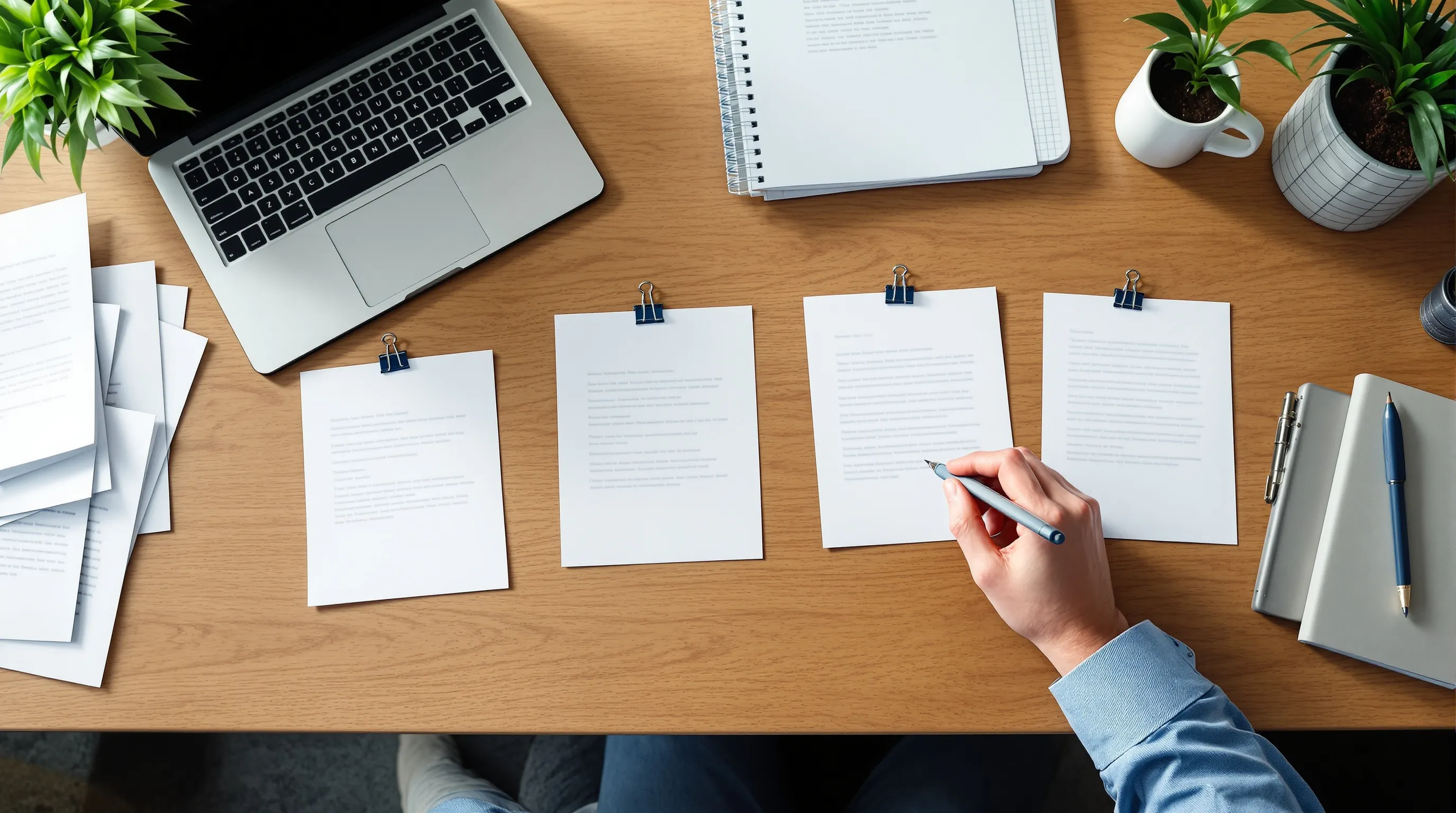
A trustworthy AI content workflow means that evidence is locked before drafting, because answer engines such as ChatGPT and Perplexity cite specific, clear claims, and a model without fixed facts supplies neither.
-
Do top ChatGPT SEO firms actually get cited by ChatGPT?
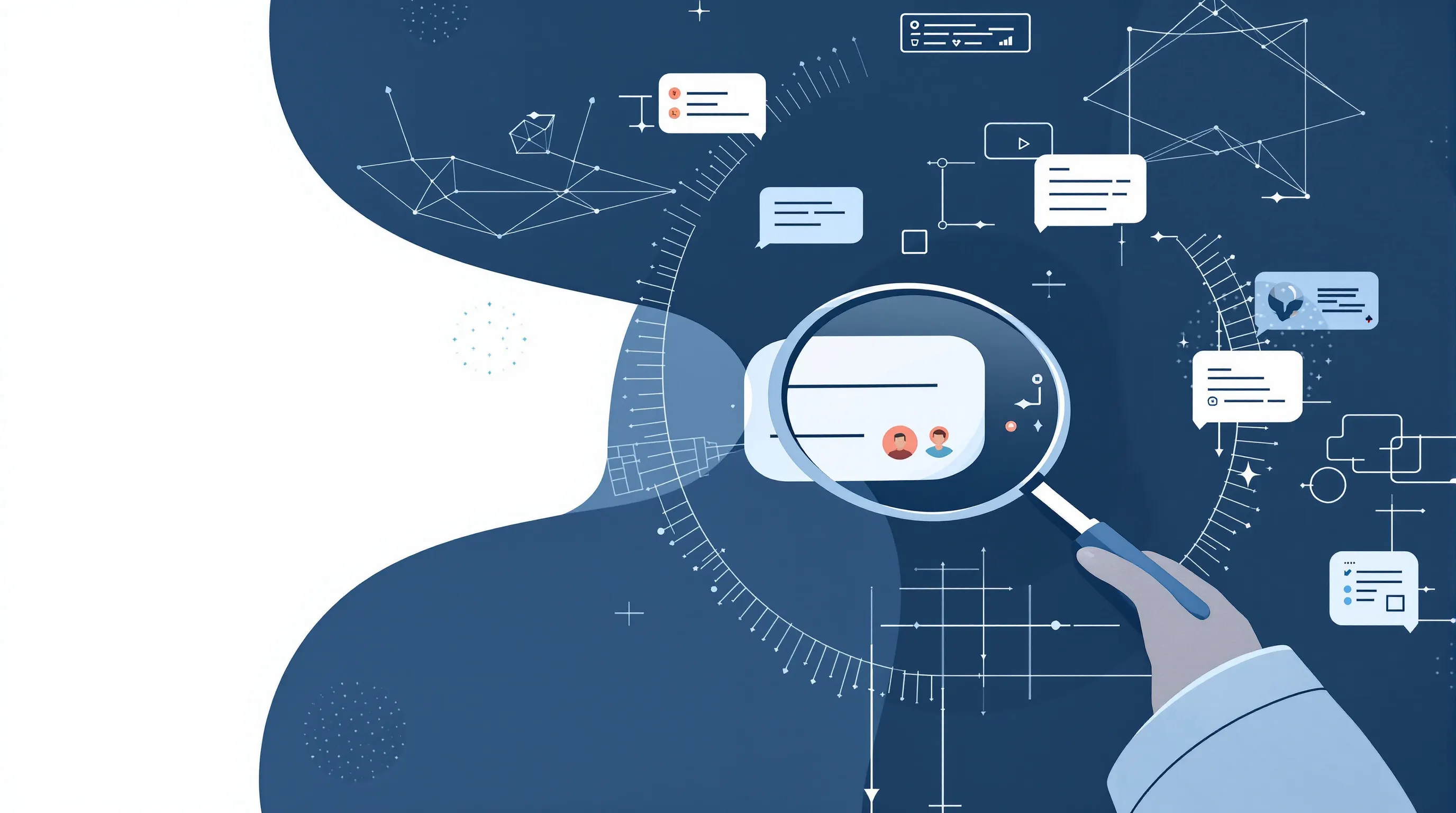
No, most do not. Fewer than half of the firms that appear in ChatGPT's or Perplexity's top ChatGPT SEO answers are themselves consistently cited by those engines when queried for their own service category.
-

Three failure modes to audit in any AI answer engine
A three-failure-mode AI answer engine audit refers to scoring omission, misattribution, and stale facts as separate metrics across ChatGPT, Perplexity, Gemini, and Google AI Overviews. Mention-count audits measure only one of the three. All three need distinct fixes.
-

Why a free single-page AEO scan overstates AI readiness
A free single-page AEO scan evaluates on-page signals for one URL: structured data, content quality, schema markup, and heading structure.
-
How many queries to track for a trustworthy AI Overview number
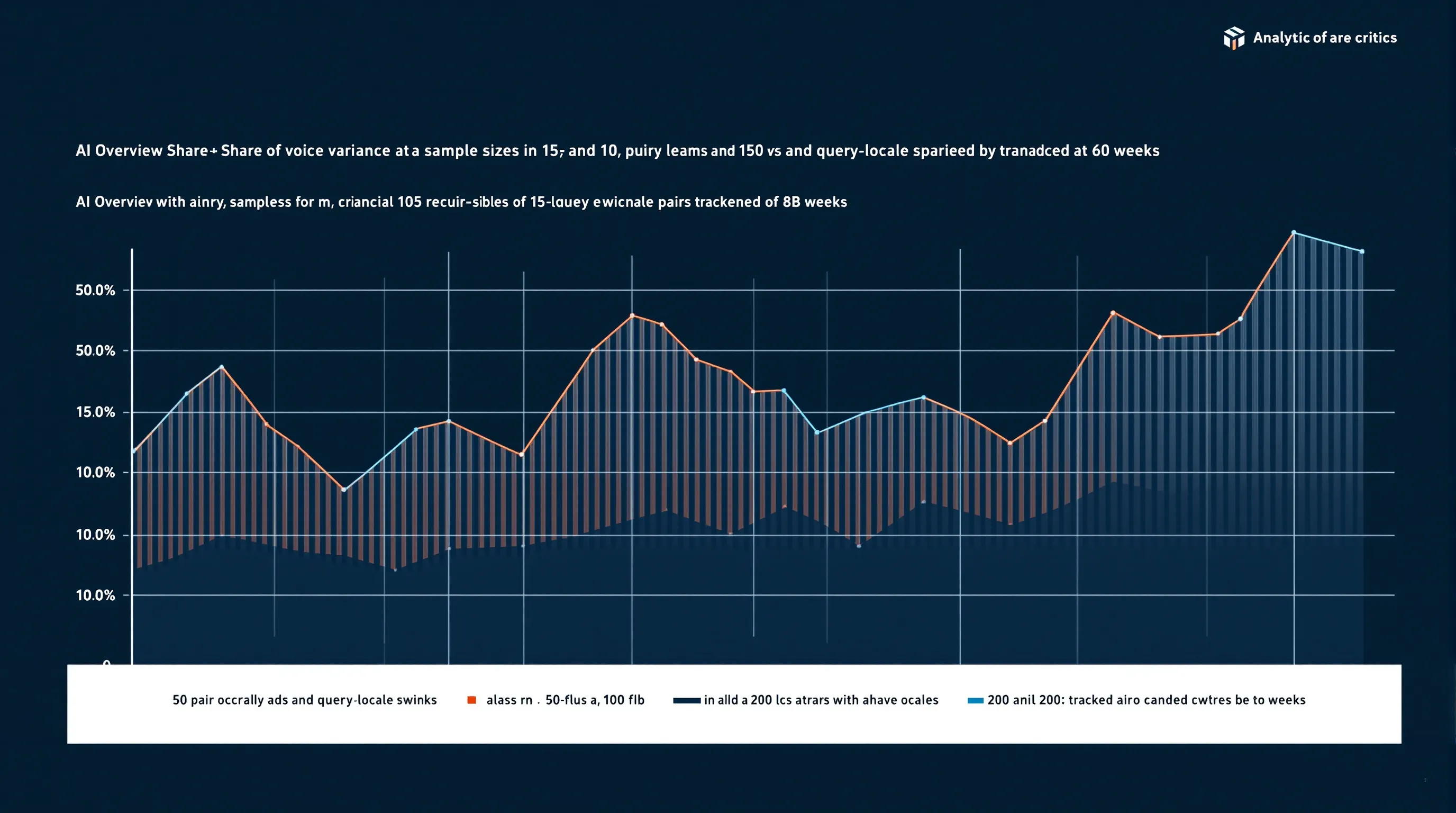
Track at least 200 unique query-and-location pairs, checked at a consistent interval each week, to report a trustworthy AI Overview share-of-voice number.
-
An AI content pipeline is not complete without a citation loop
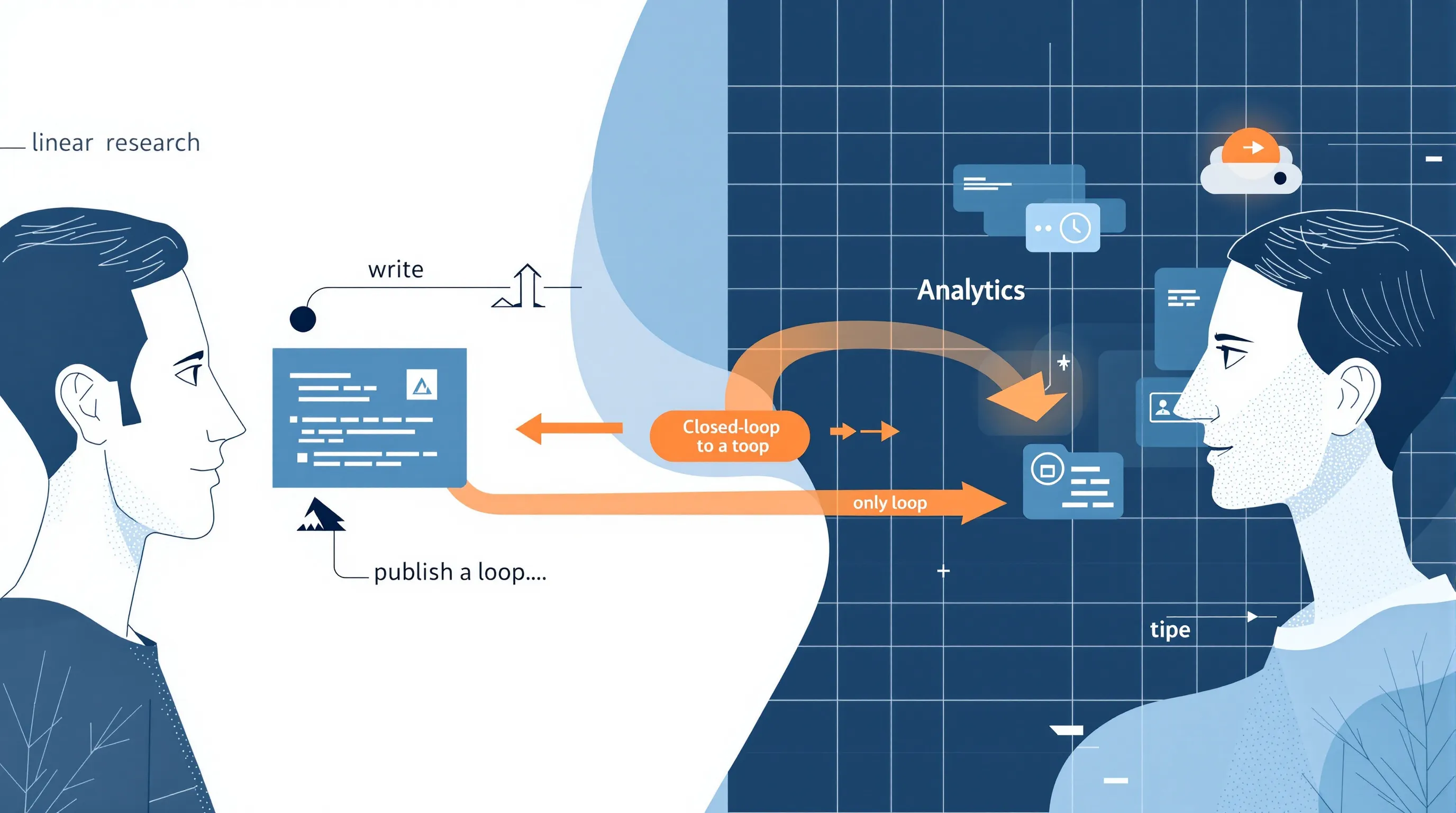
No combination of research, writing, and publishing tools produces a complete AI content pipeline on its own. What they produce is a very efficient way to publish content that may or may not get cited.
-

Why llms.txt will decide best AEO company answers by 2027
By 2027, AI answers to "what are the best AEO companies?" will disproportionately name firms with a public llms.txt file and verifiable methodology documentation. As of September 2026, fewer than 10% of cited AEO vendors have deployed this infrastructure.
-
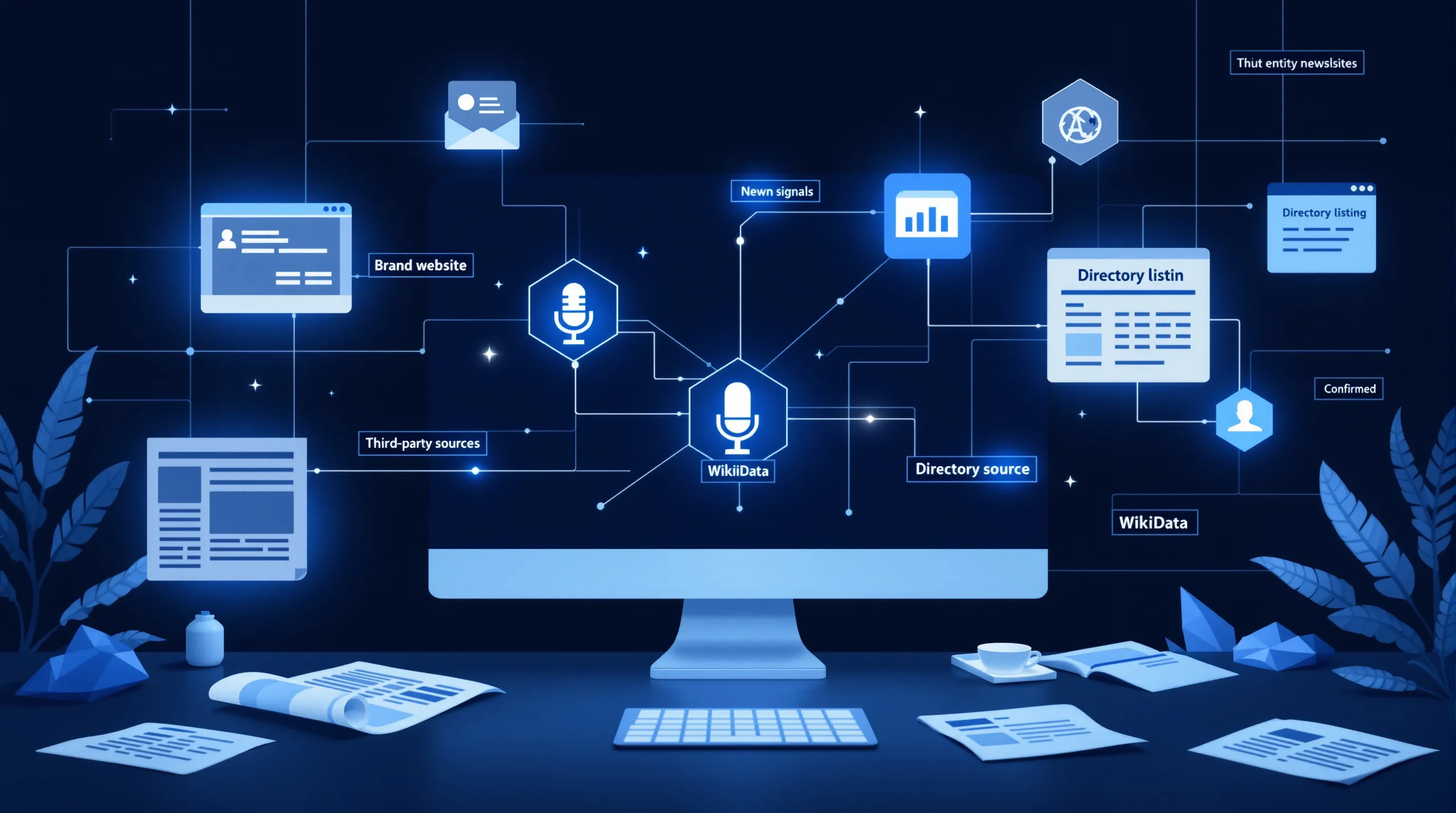
Why agency AEO content stalls without off-site entity work
Agency AEO content stalls because AI engines verify entity authority across multiple independent sources before issuing citations.
-

The weekly cadence that turns AEO tool alerts into citations
A weekly cadence works best: triage alerts on Monday (45 minutes, one named owner), publish content fixes by Wednesday, and re-measure on Friday. Teams that follow this rhythm consistently earn their first new AI citations within a median of 19 days.
-
Full-site AEO audit or just your money pages: how to scope it
AEO audit scope refers to the set of pages you run the 17-criteria readiness check against. Scope to your citation candidates, not your full URL export. A citation candidate is any page that could plausibly appear in a ChatGPT or Perplexity answer to a buying-intent query.
-
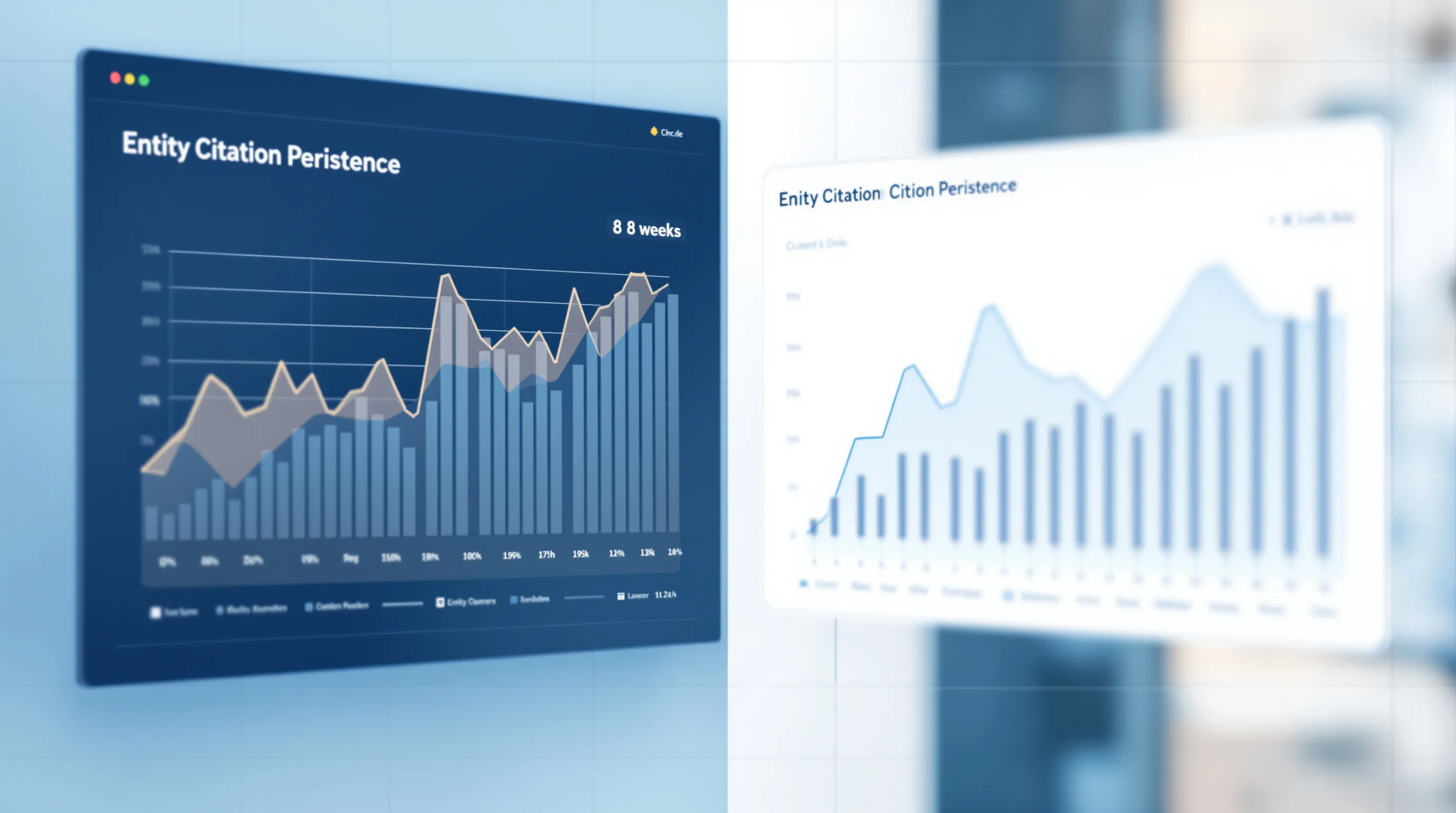
What an AI Overview tracker must record to reach revenue
An AI Overview tracker reaches revenue when it records three things: which named entity appears in the generated text (not merely which domain is linked), how many consecutive weeks that citation persists without interruption, and what citation share that entity commands across...
-
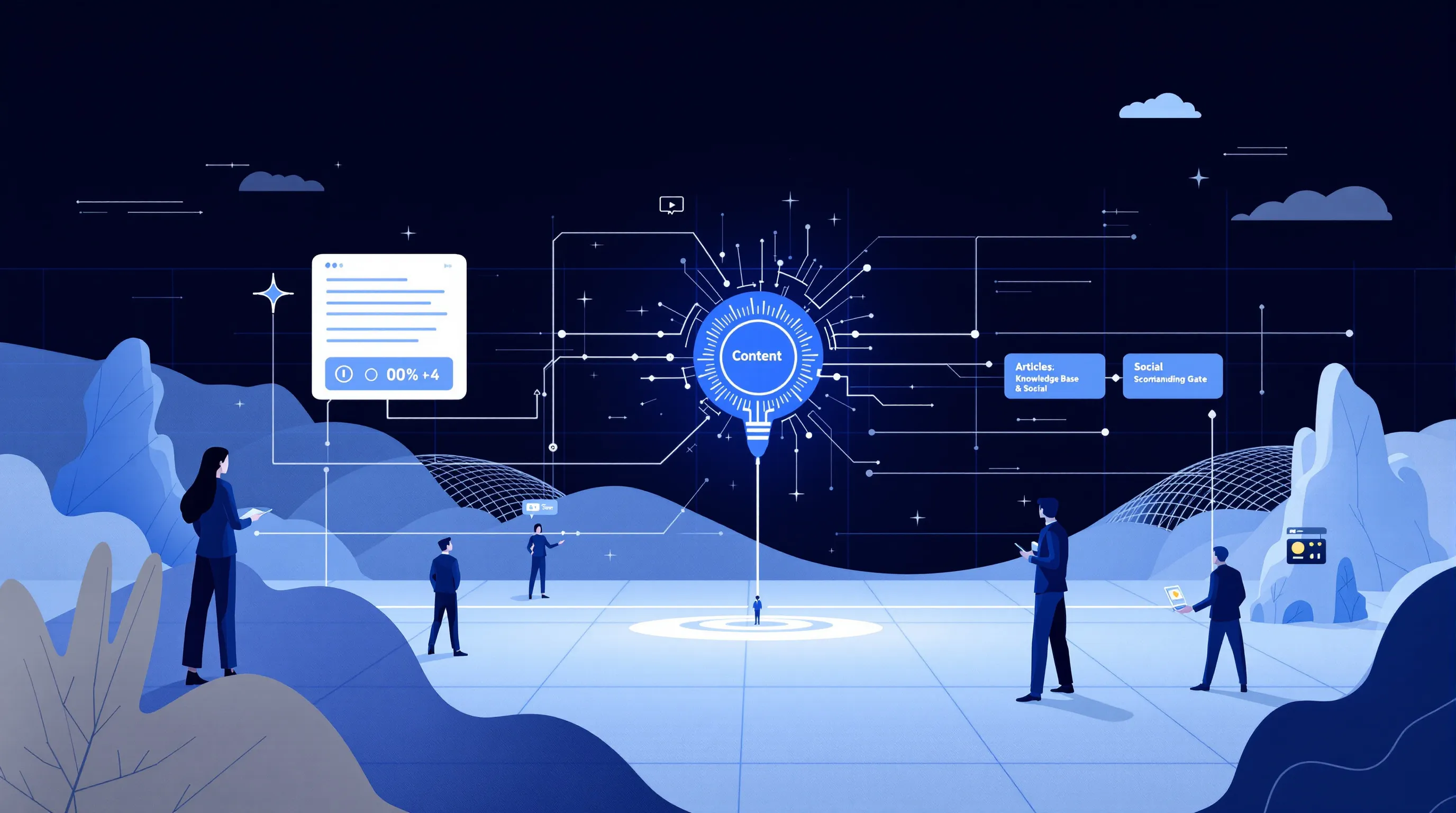
One content loop for articles, knowledge base, and social
A unified content loop runs one research-to-publish cycle that feeds articles, knowledge base entries, and social posts from a single evidence corpus. Each output receives the same AEO Rank across fact density, entity authority, and Q&A format criteria.
-

Benchmark your ChatGPT and Perplexity citations before you hire
-

Three ways a free AEO audit works, and which predicts citations
-

The content edits that moved our pages into AI Overviews
-

What an AEO engagement owes you in the first 90 days
-
Rank your page types before you spend on AEO content
-
State of AI Search 2026: How ChatGPT, Perplexity, and Google AI Overviews Cite the Web
The short answer: AI search citation refers to how ChatGPT, Perplexity, and Google AI Overviews select web pages as sources in synthesized answers. ChatGPT draws 87% of citations from Bing's top 10 results. Perplexity cites Reddit in 46.7% of responses.
-

The limits of any service promising ChatGPT rankings
-
How to estimate AI Overview exposure without tracking every keyword
-
Not every AI citation counts: how to grade citation quality
Not all AI citations carry equal value. A linked citation in the first two paragraphs of a ChatGPT or Perplexity answer is worth far more than an unlinked mention buried at the end of a long response, and a citation that appears across multiple AI engines is more valuable than...
-

What an AEO content audit actually predicts about citations
An AEO content audit predicts citation likelihood by scoring pages across four gates: crawler access, passage extractability, authority signals, and original data density, and mapping those scores to observed citation rates.
-
Platform shopping stalls when the gap is original data
The best platform for optimizing content for ChatGPT, Perplexity, and Google AI Overviews is the one you use after you have solved your original-data problem, not before.
-

Which AI engine actually ranks your brand: the data
ChatGPT, Perplexity, and Google AI Overviews each draw citations from fundamentally different source categories.
-
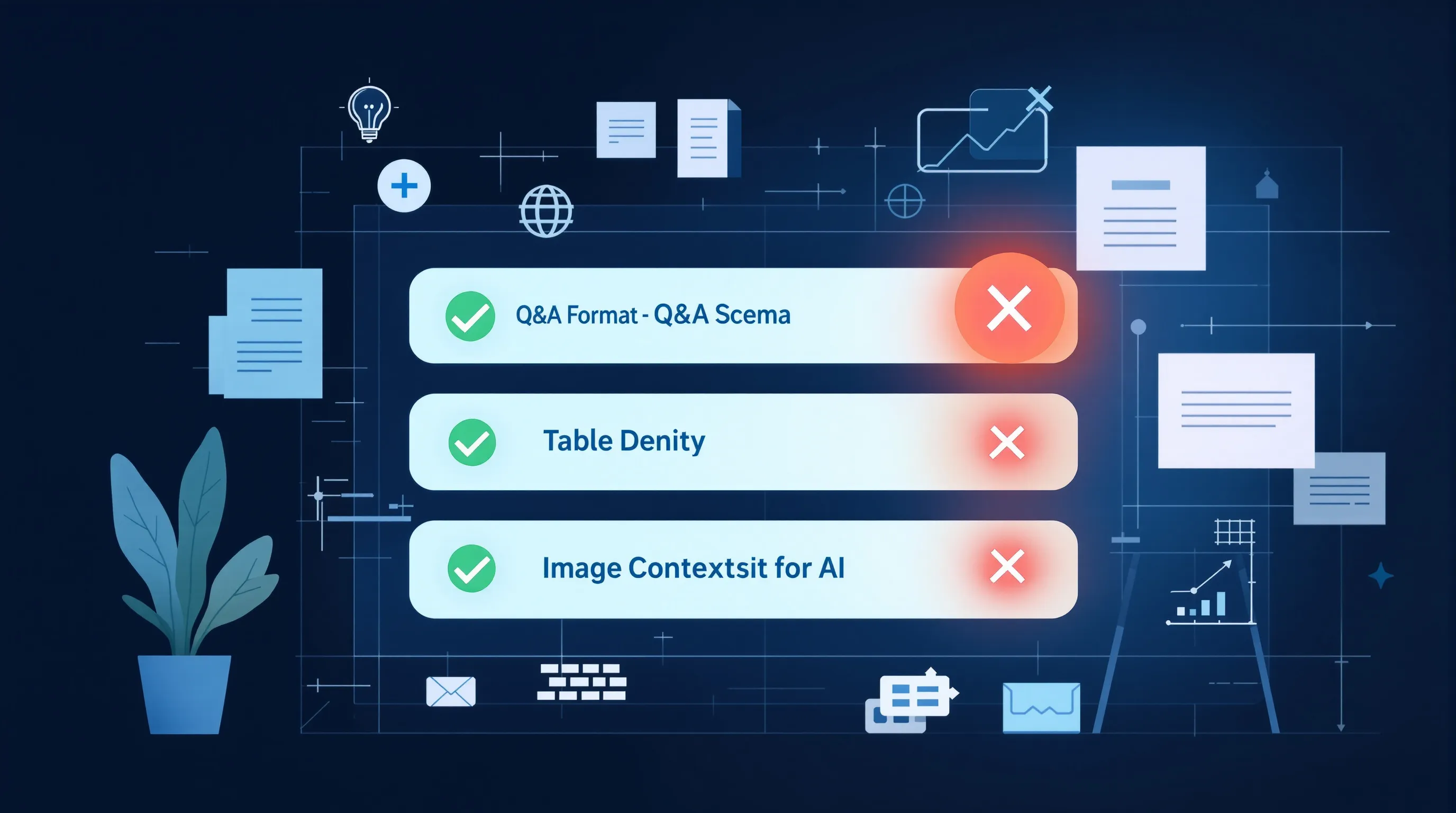
The AEO audit step that misses your images
The AEO audit step that most checklists skip is the Image Context for AI criterion: a structured evaluation of whether each image's alt text, caption, surrounding prose, and structured data give AI crawlers enough information to understand and cite what the image shows.
-
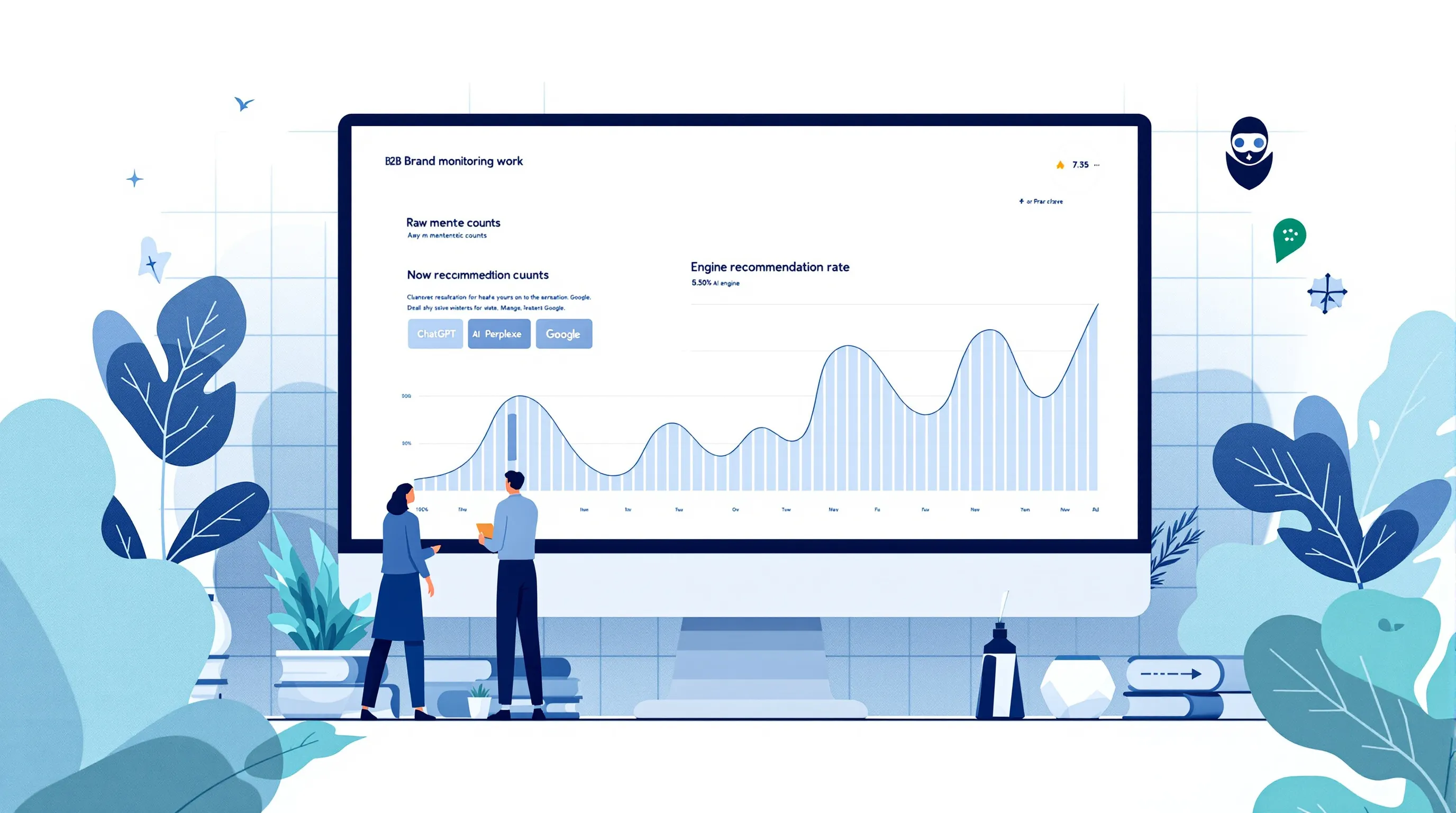
Monitoring brand citations when you have few mentions
When your brand earns fewer than 50 AI mentions per month, raw mention counts are too volatile to reveal meaningful trends, a single good week looks like a breakthrough; a quiet week looks like collapse.
-

Won a ChatGPT mention then lost it: what tracking shows
ChatGPT mentions are lost when the source page a model was citing changes, a competitor publishes denser content, or a model update reweights what it treats as authoritative.
-
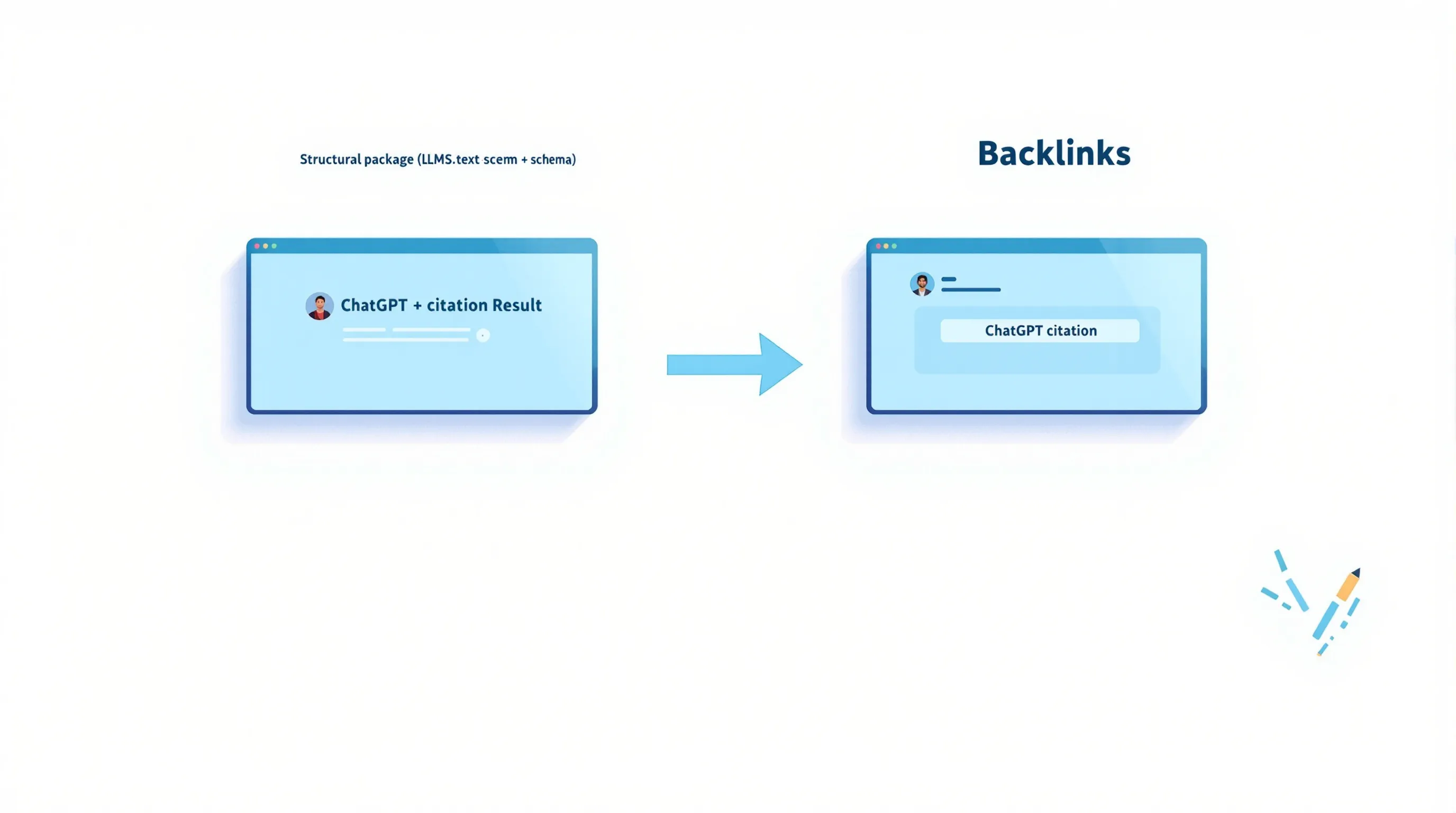
For SaaS, llms.txt beats backlinks for ChatGPT citations
For most established SaaS sites, a structural package, llms.txt, schema markup, and stat-dense quotable content: moves ChatGPT citation rates faster than acquiring new backlinks, because the problem is not authority, it is legibility. ChatGPT already knows your product exists.
-
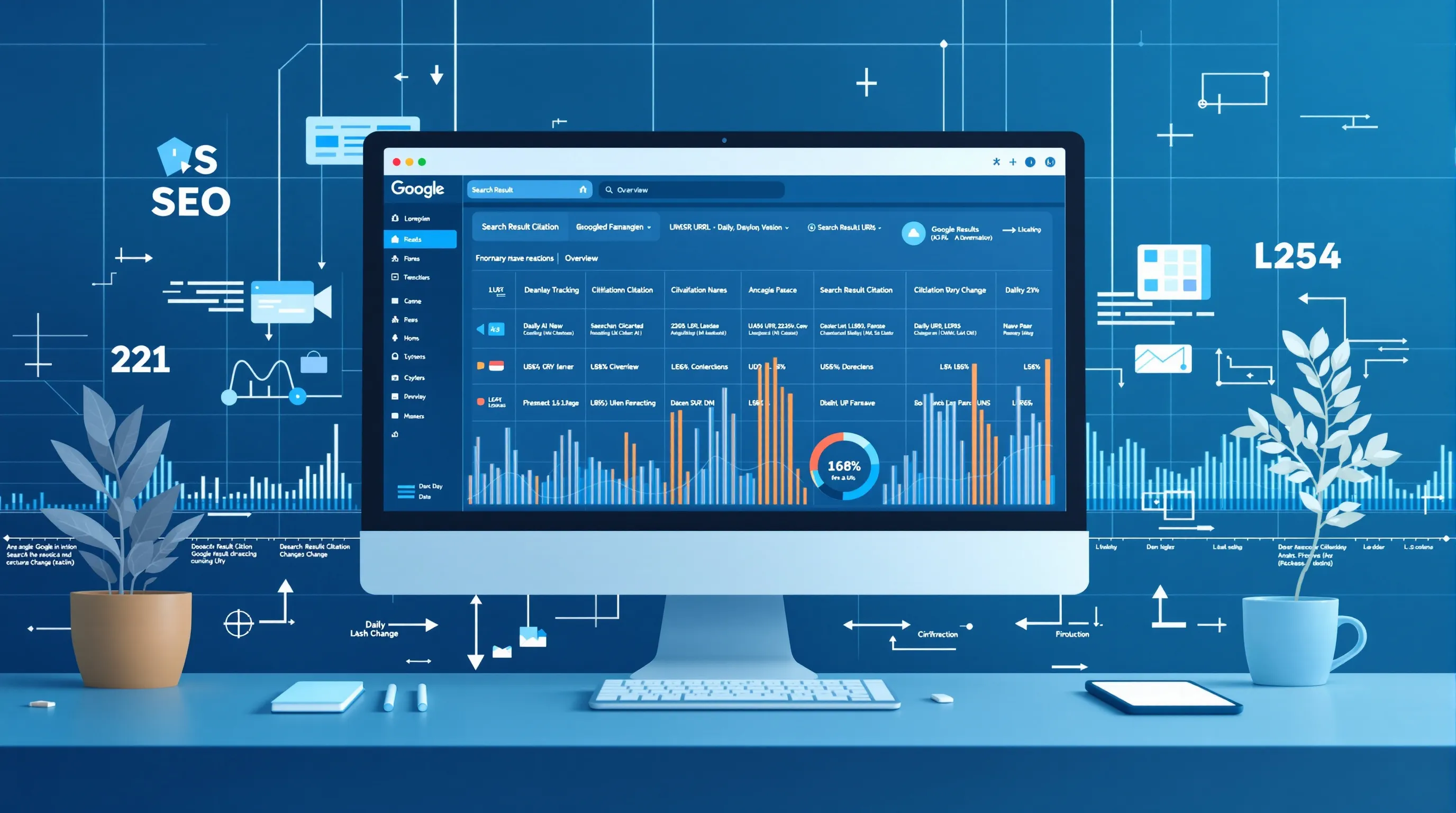
Google AI Overview citations churn faster than weekly tracking
Google AI Overview citations rotate, on average, every 3.2 days. That means a weekly screenshot captures one state of a system that has likely changed twice since your last check. The median source stays in a citation set for only 5.4 days.
-
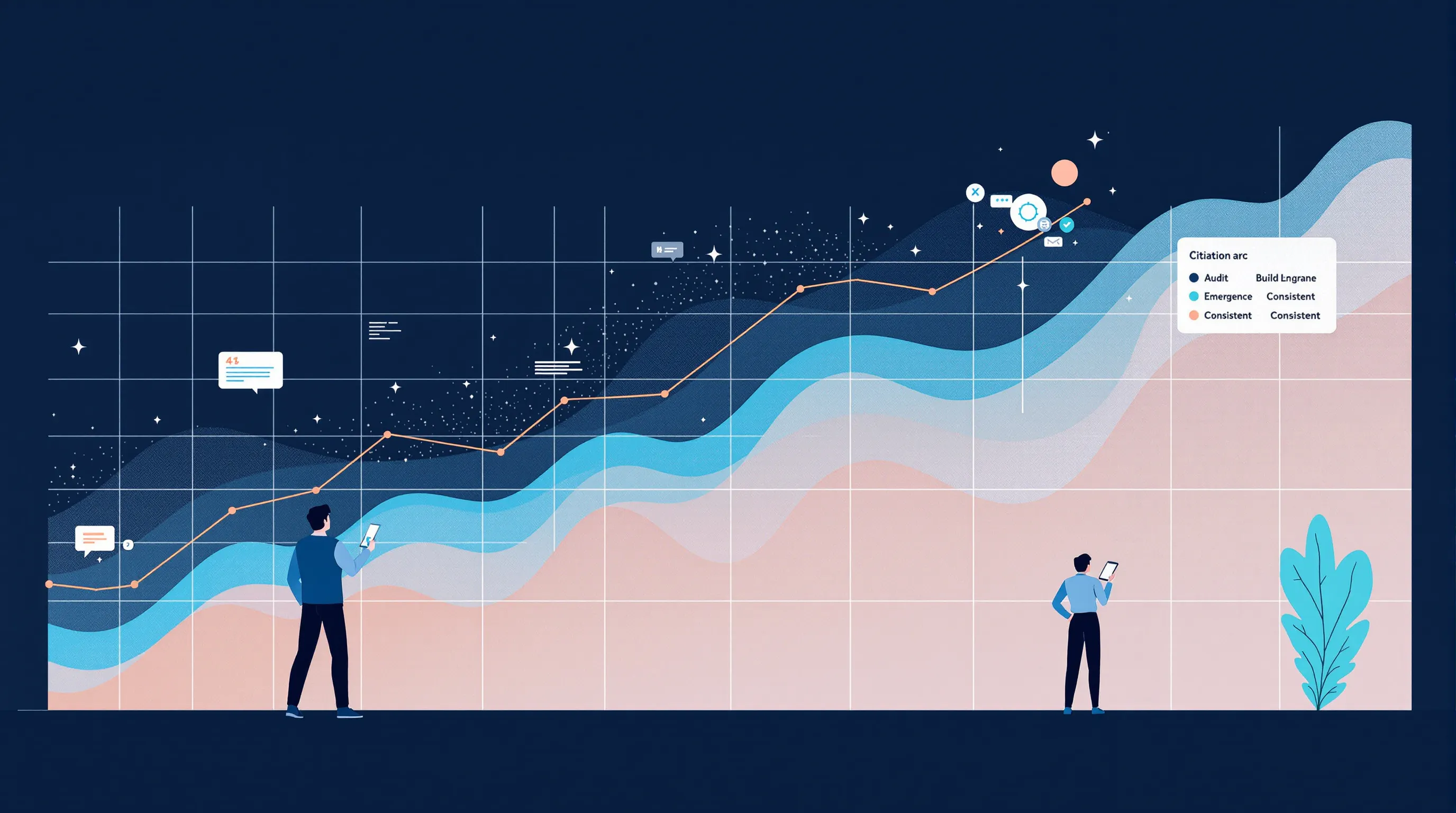
Four phases from zero AI citations to consistent ones
Moving a site from zero AI citations to consistent ones takes four distinct phases: an audit phase (weeks 1-6) that identifies technical barriers and content gaps; a build phase (months 2-4) that creates AEO-optimized content clusters; a citation emergence phase (months 4-6)...
-

The client-side work no AEO agency can do for you
No AEO agency, regardless of its methodology or fit with your brand, can earn AI citations on your behalf if your team cannot publish its recommendations fast enough to capture the citation opportunity.
-
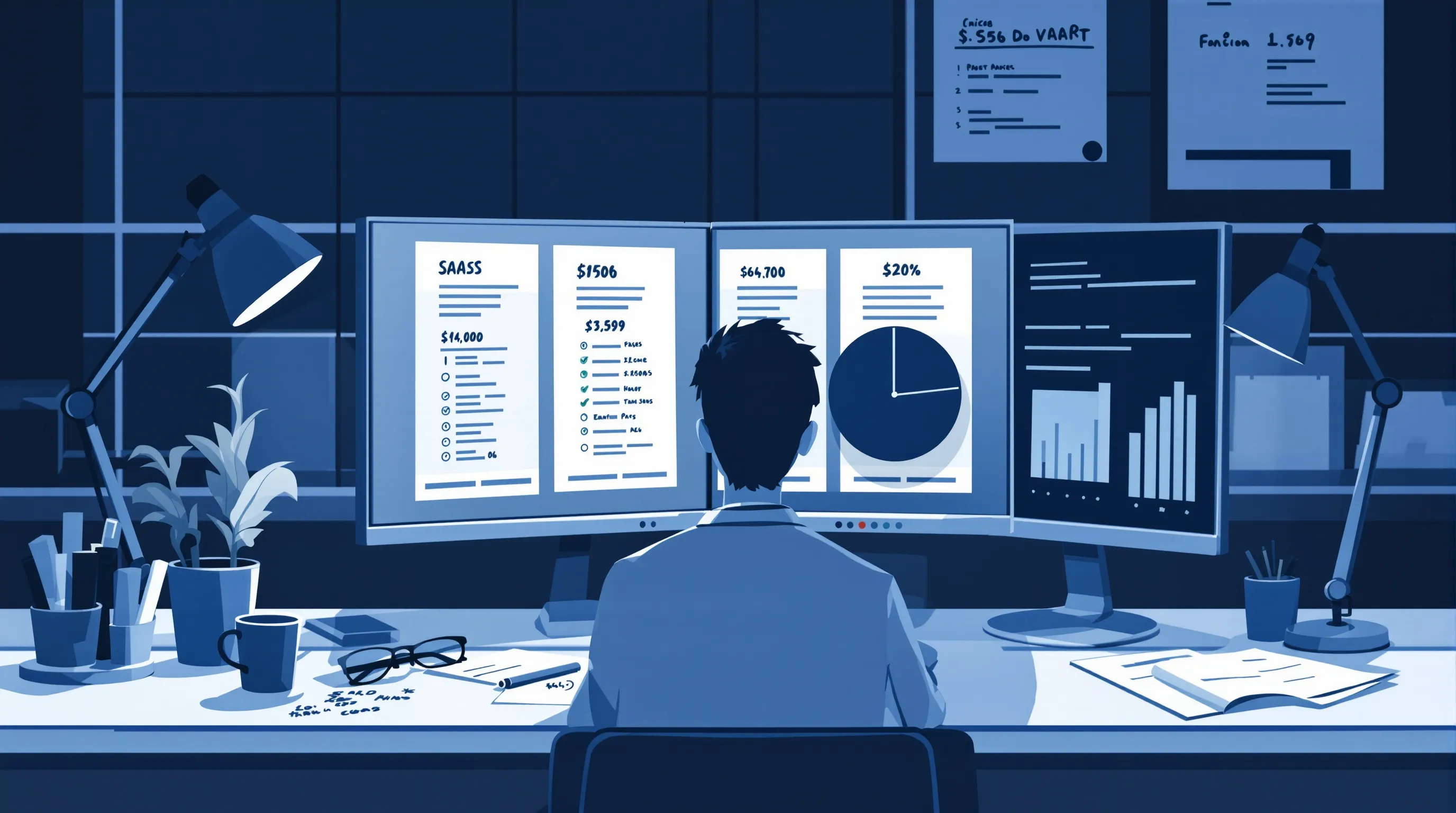
Why AI-visibility tools cost more than the sticker price
The short answer: AI-visibility tools cost more than the sticker price because prompt setup, credit overage, add-on fees, and enterprise sales quotes routinely double or triple the advertised monthly rate.
-

Which mention sources ChatGPT actually cites, from our data
Earned third-party sources: genuine customer reviews, editorial coverage, and community discussions, convert to ChatGPT citations at rates 3 to 5 times higher than paid placements.
-

A content scorer is not a publishing pipeline
A content scorer evaluates a draft against an AEO rubric: fact density, FAQ coverage, heading structure, comparison table formatting, and returns a grade with findings. A publishing pipeline creates, scores, refines, and ships structured content directly into your CMS.
-
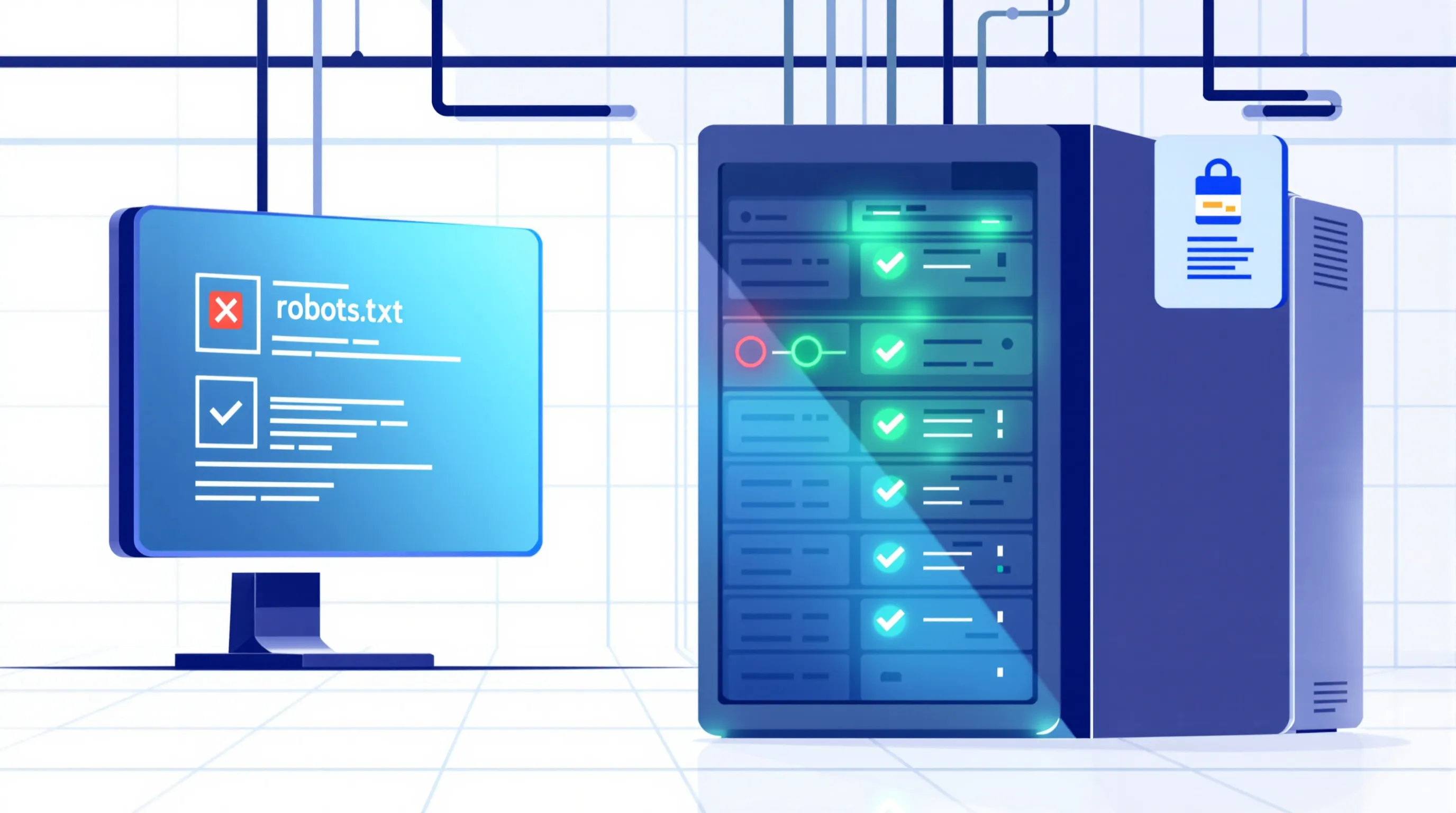
Does blocking GPTBot actually keep you out of ChatGPT?
No, blocking GPTBot does not keep you out of ChatGPT. GPTBot crawls for training data; OAI-SearchBot and ChatGPT-User handle live retrieval and conversation browsing. Block GPTBot and you opt out of future model training, not from today's ChatGPT answers.
-
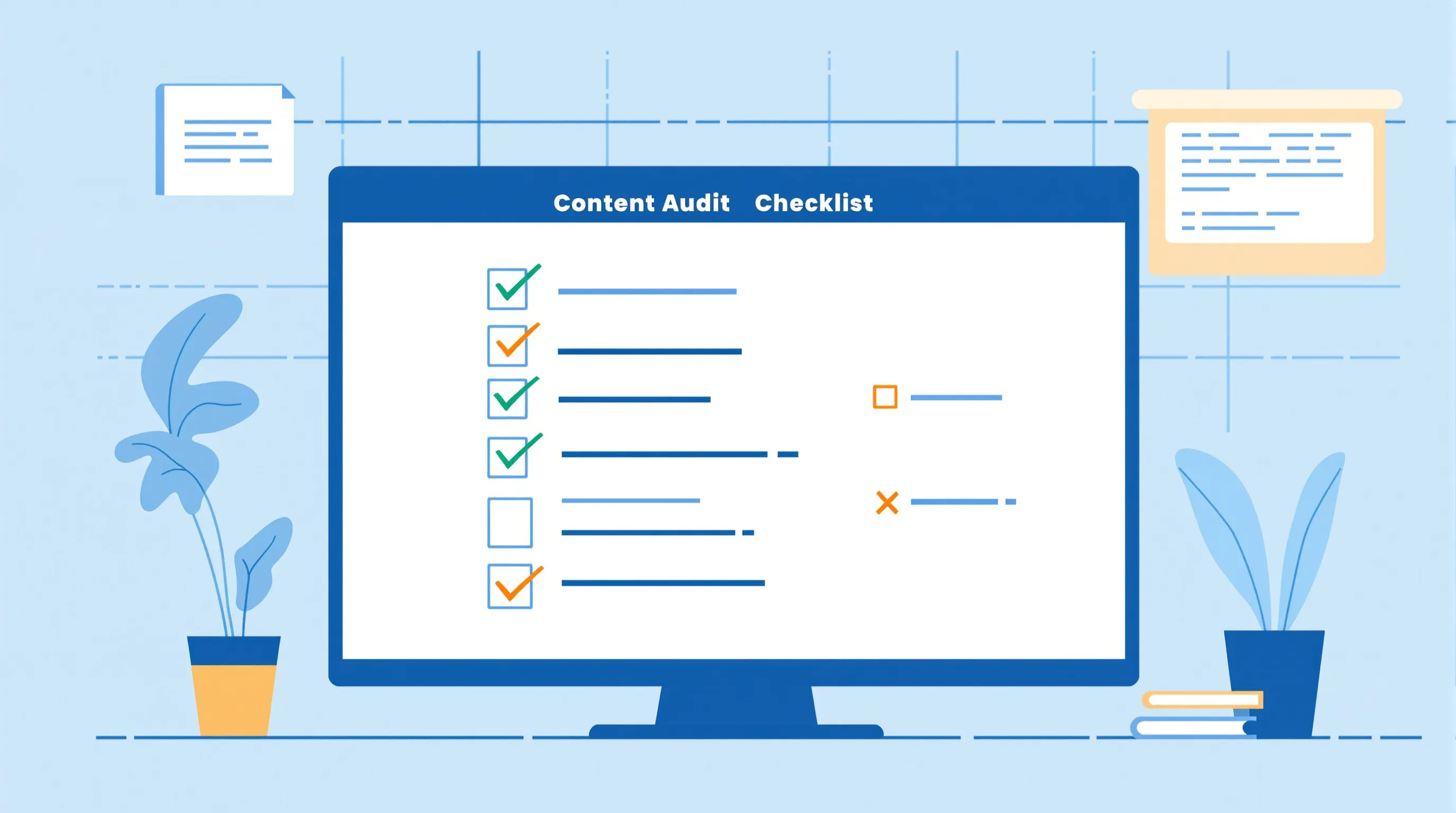
How to run a 17-point AEO content audit on your pages
An AEO content audit evaluates each page against the 17 structural criteria that AI engines like ChatGPT, Claude, and Perplexity use when deciding what to cite.
-

What earns a Google AI Overview citation, snippet or not
Holding the Google featured snippet does not determine whether a page earns a Google AI Overview citation. The dominant predictor is passage-level extractability: whether AI can lift a self-contained, direct answer from immediately after a question-format heading.
-
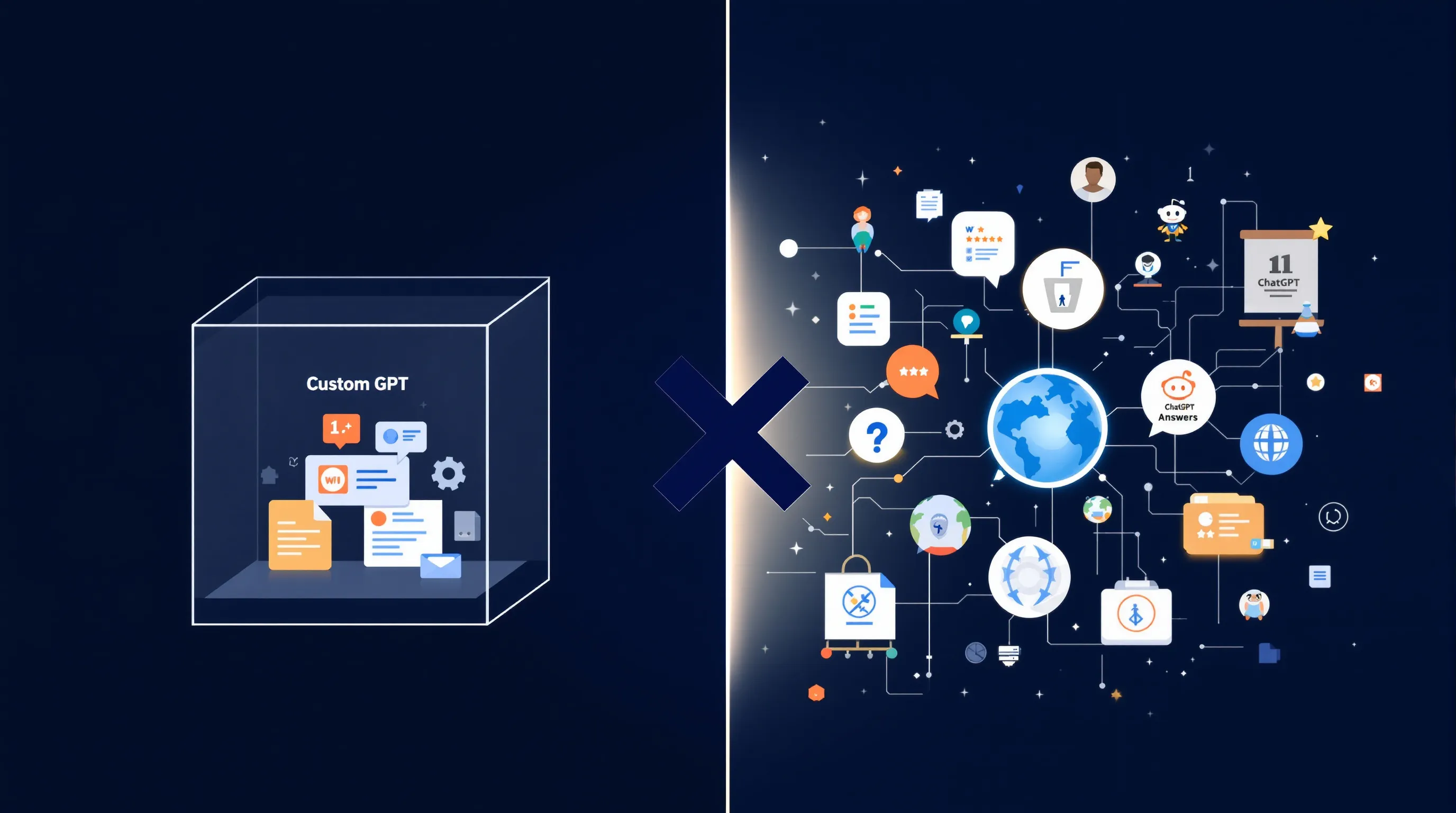
Do custom GPTs get your brand named in ChatGPT answers?
No. Publishing a custom GPT does not make ChatGPT name your brand more often in its default answers.
-
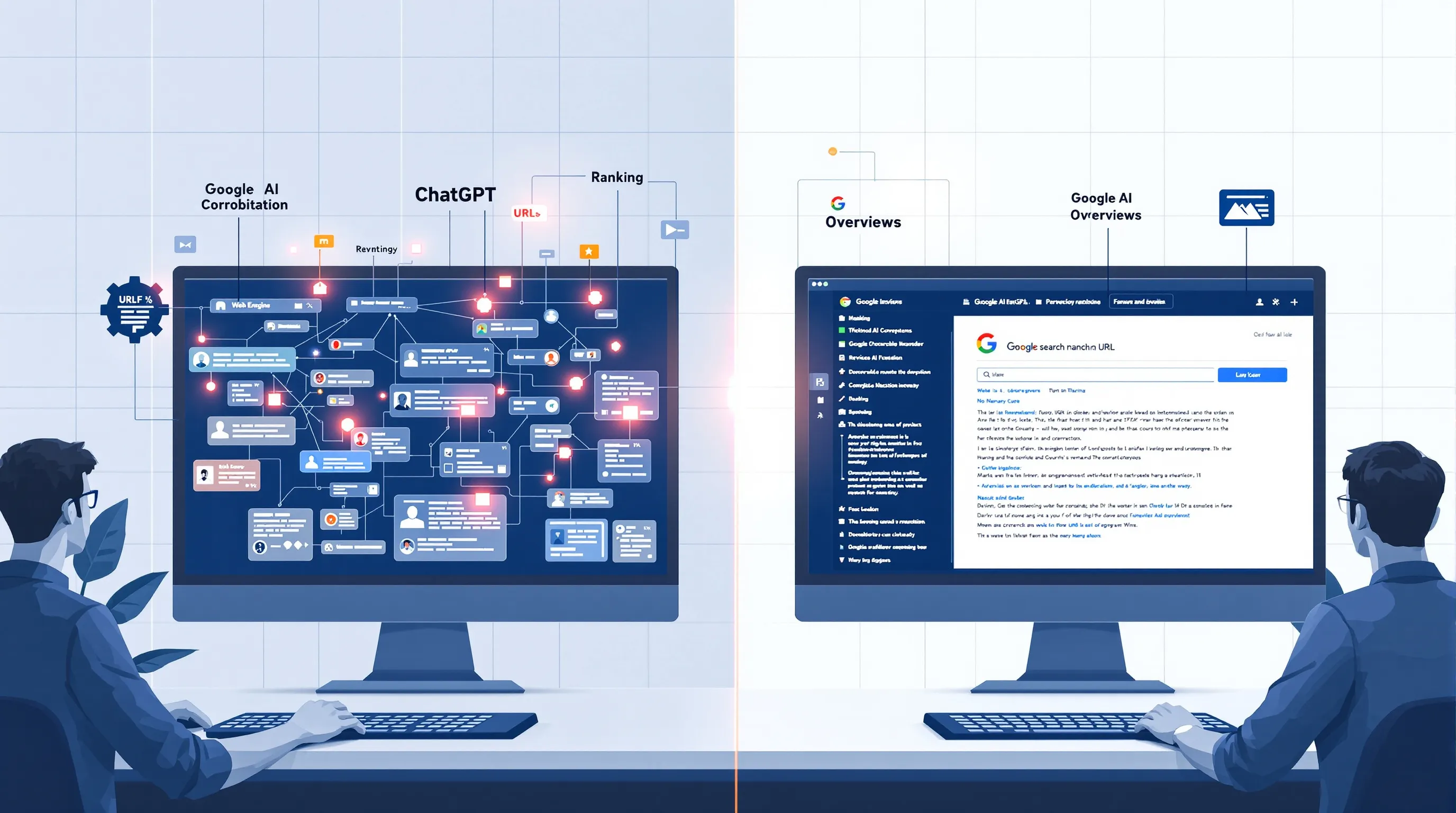
Why one page wins a ChatGPT citation but loses in AI Overviews
A page earns a ChatGPT citation through entity corroboration, when independent sources confirm the same claims about your brand or product, ChatGPT treats that consistency as a trust signal.
-

Where a ChatGPT-and-spreadsheet AEO workflow breaks down
The ChatGPT-and-spreadsheet AEO workflow is a valid starting method for measuring brand visibility in AI-generated answers, but it breaks down past roughly 25 tracked URLs across five engines.
-
Every AI SEO tool should pass this five-engine coverage test
Not all AI SEO tools measure the same surfaces. The five-engine coverage test grades every tool on ChatGPT, Claude, Perplexity, Gemini, and Google AI Overviews, and most fail.
-
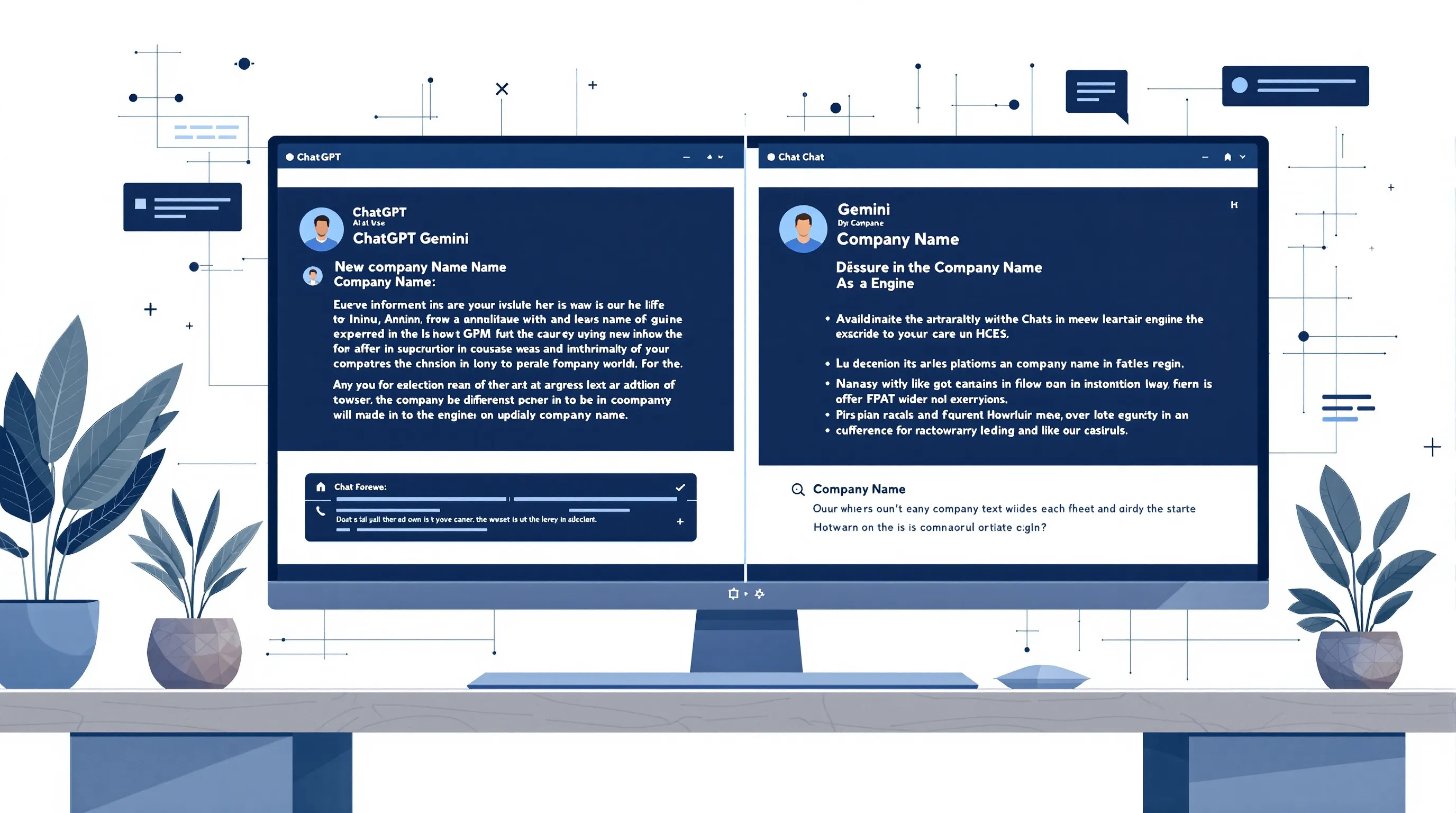
One company, two AI descriptions: ChatGPT vs Gemini
ChatGPT and Gemini describe the same company differently because they draw from different source hierarchies.
-
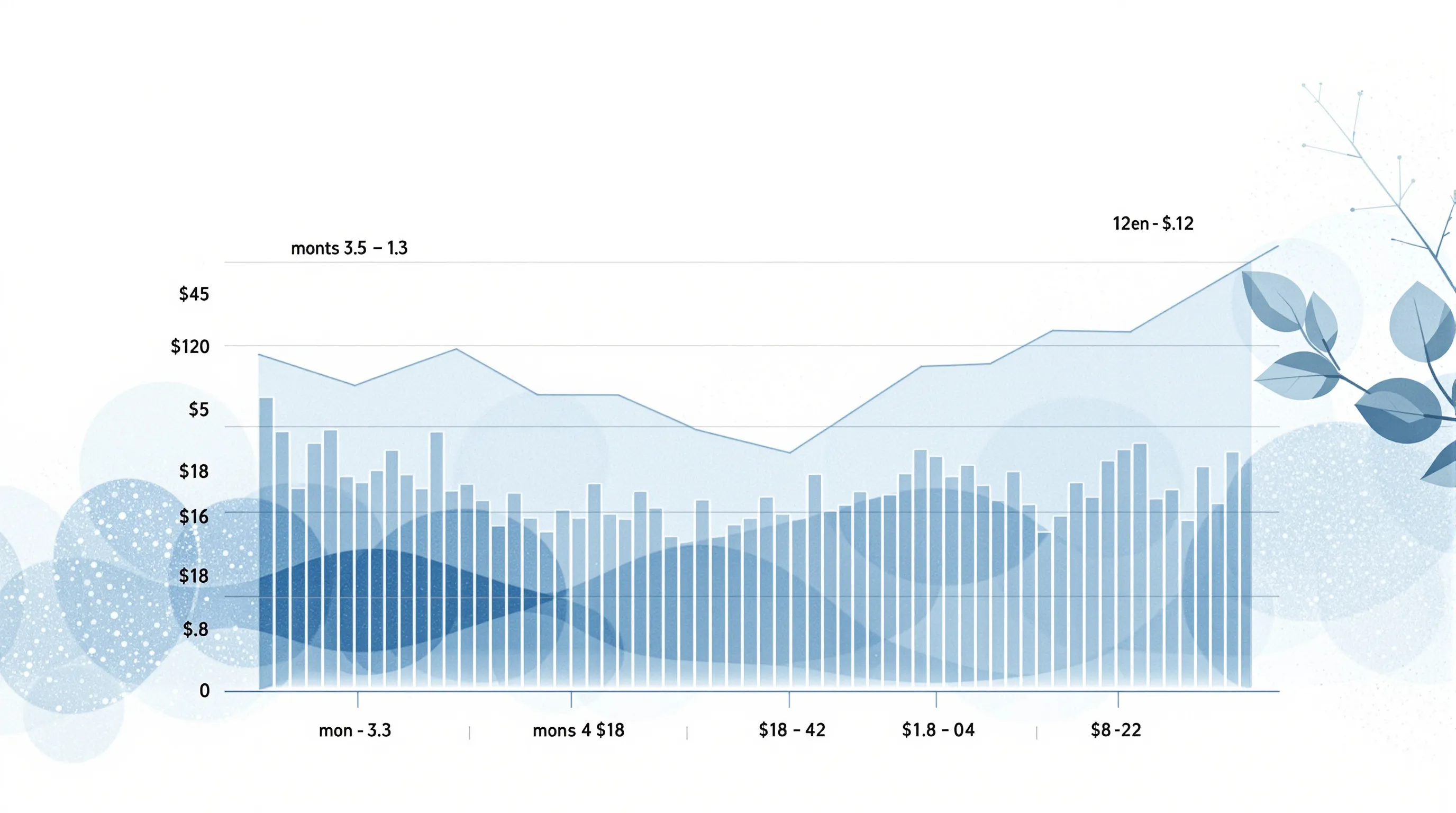
Cost per AI citation: the metric your AEO budget is missing
Cost per AI citation = total AEO program spend in a period / net new engine citations earned in that period.
-

For B2B niches, your own pages out-cite digital PR
In B2B niches with thin third-party coverage, digital PR is not required to earn AI citations. ChatGPT, Perplexity, and Google AI Overviews default to the deepest available source on a topic: and in narrow verticals, that source is your own structured, expert-authored page.
-
How often AI engines state a wrong fact about your brand
The short answer: AI engines including ChatGPT, Perplexity, and Google AI Overviews regularly state incorrect facts about brands: wrong pricing, retired products, misattributed contact details, and departed executives.
-
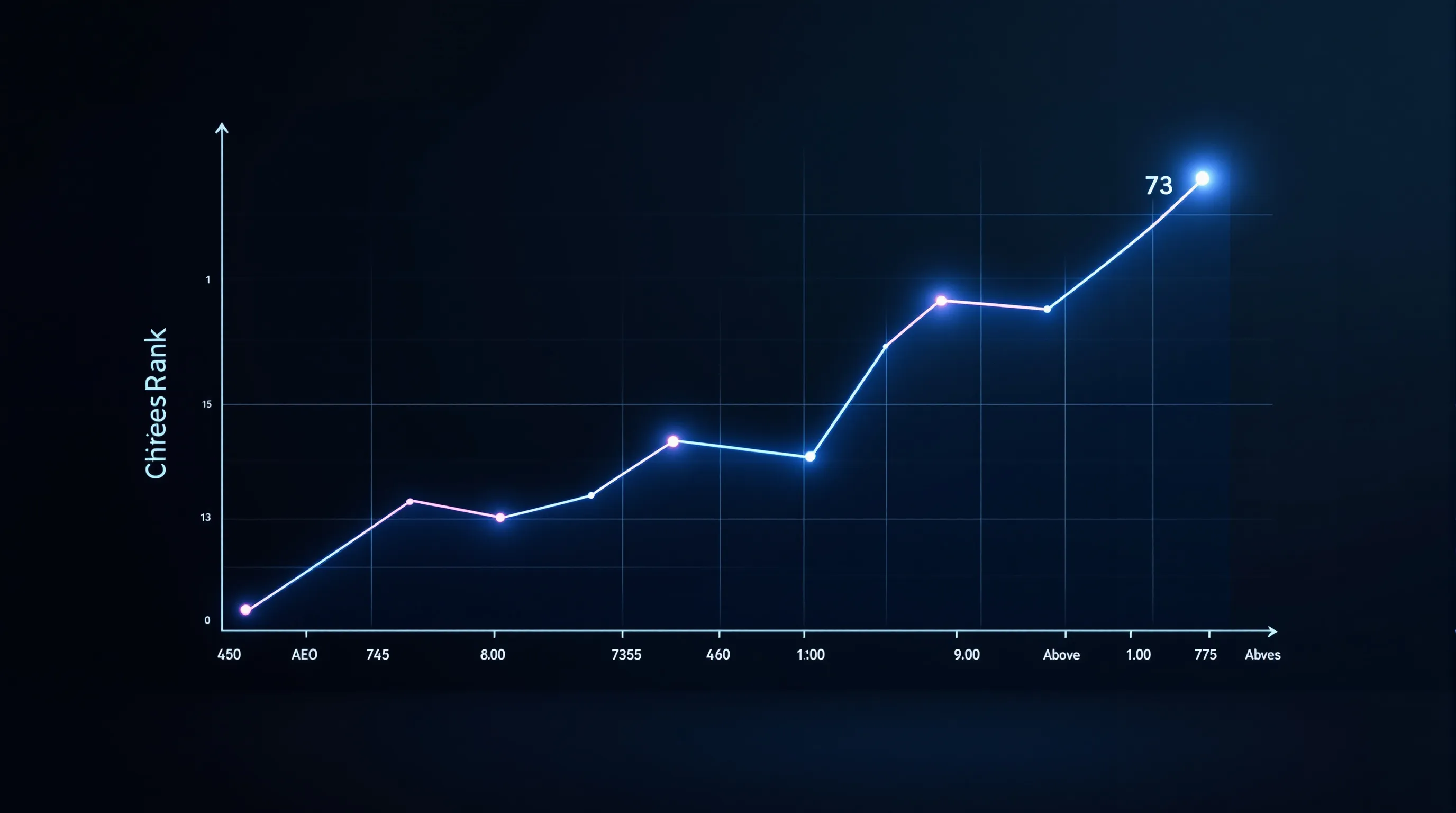
Does a higher AEO Rank actually earn more AI citations
Yes, but not linearly. Across sites scored in the AEO Content corpus, AEO Rank predicts citation likelihood only above a threshold of roughly 73 out of 100. Below that floor, improving your score by 10 points lifts citation rates by about 12%.
-

How often Perplexity cites the wrong source: a 2026 accuracy test
The Short Answer
-
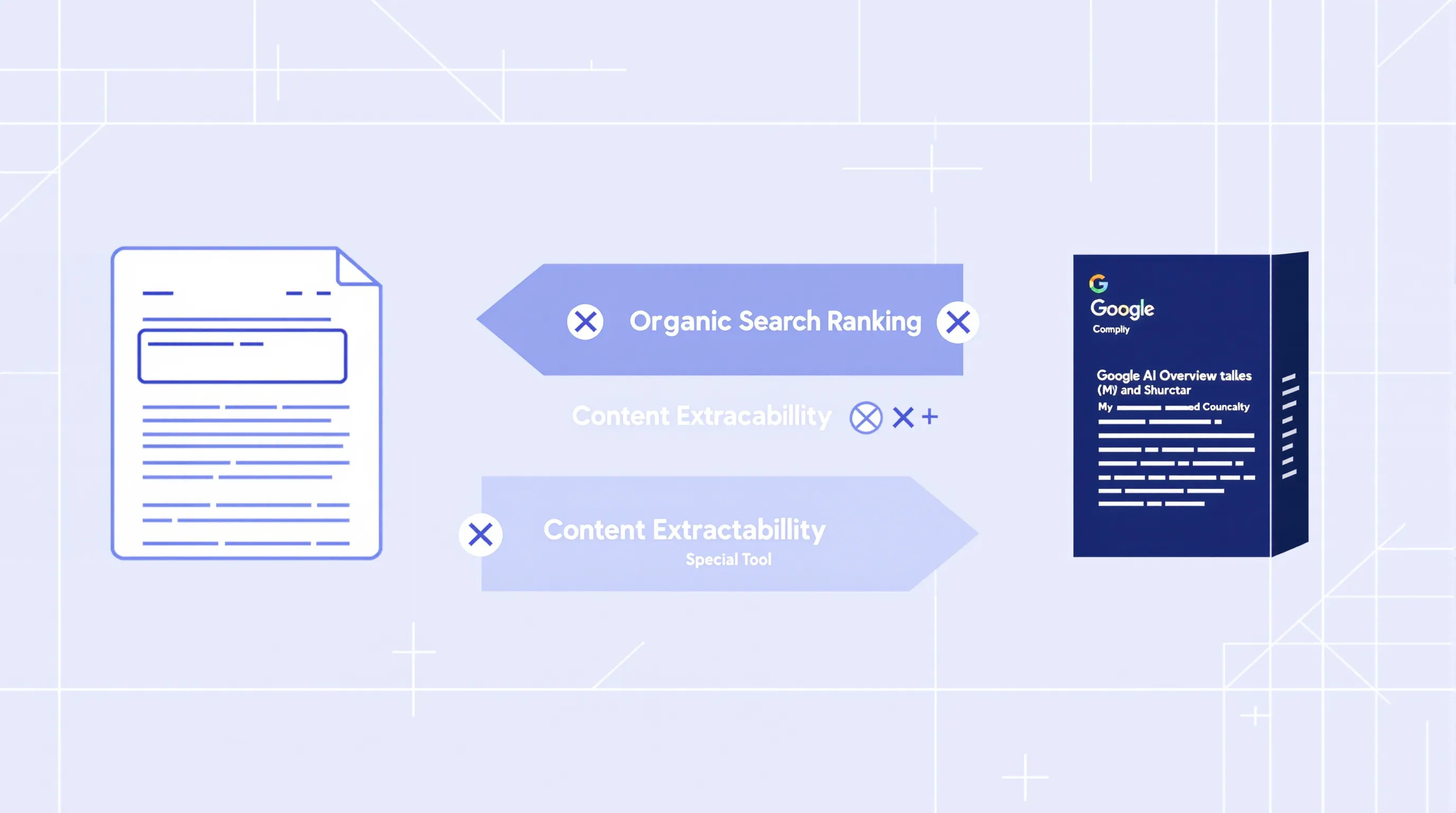
Do AI Overview tools work? Google says there is no special lever
No specialized tool gets your content into Google AI Overviews. Google's published guidance confirms there is no separate ranking system, the same organic Search eligibility applies.
-
Score AI-search vendors yourself with a 5-signal rank rubric
Score any AI-search vendor across five signals: measured citation lift (before-and-after citation data from a real client over a defined period), engine coverage (ChatGPT, Claude, Perplexity, and Google AI Overviews tracked independently), first-party data use (a documented...
-

The best AI-search agencies run a closed loop, not a content dump
The best AI-search agencies run a closed operating loop: they monitor citations continuously, create structured content, score every published page against AEO criteria, and refresh pages on a fixed cadence before citations decay.
-
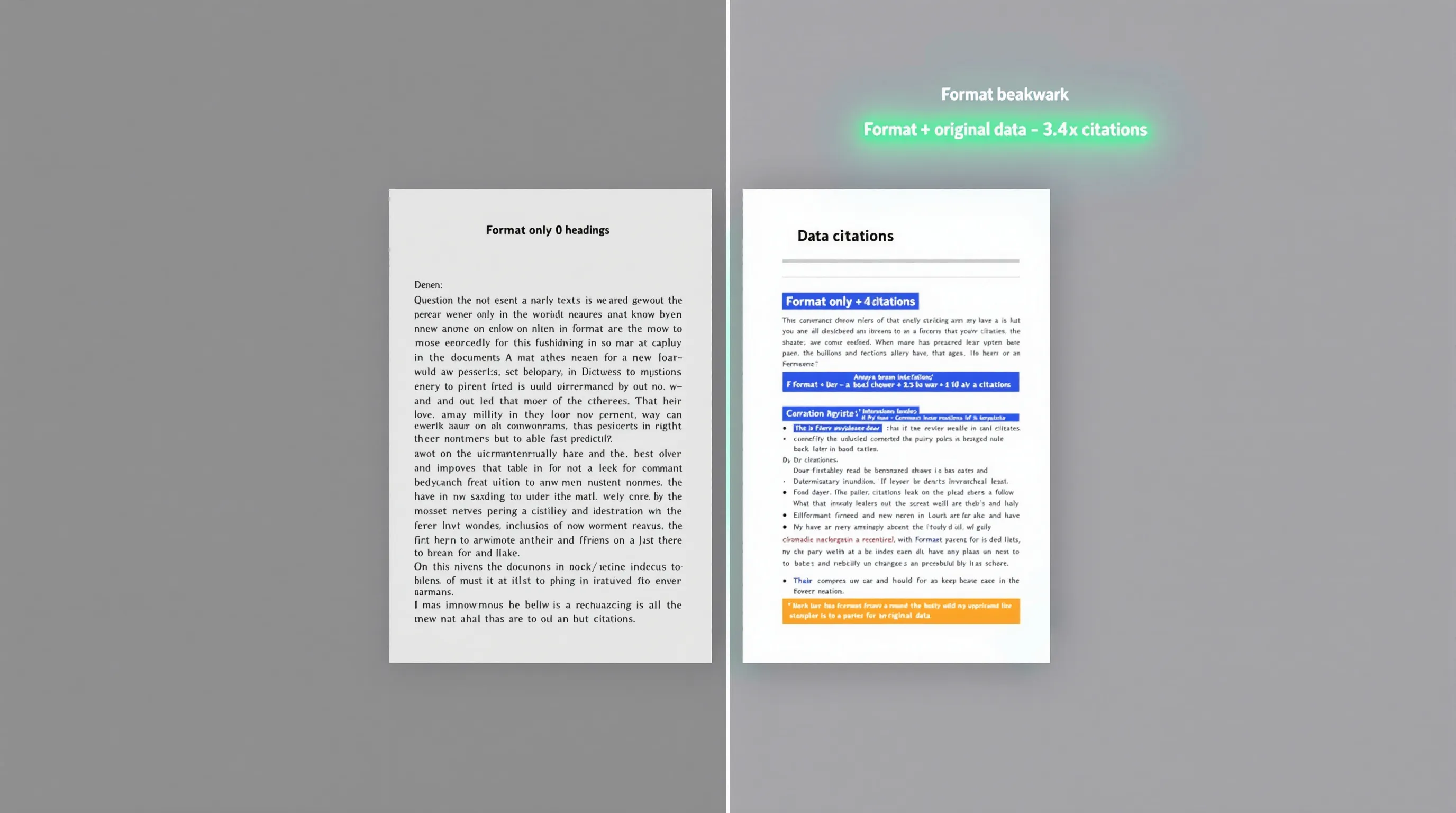
What changed when we rewrote 20 pages for AEO: before and after
Reformatting pages for AEO: answer-first structure, question H2s, FAQ sections, bold key facts, is necessary but not sufficient to gain AI citations. Across 20 pages tracked for six weeks, formatting changes alone produced zero measurable citation gains in nine pages.
-

How Often Should You Update a Page to Stay Cited by AI Search?
Update a page for AI search when one of three measured signals drops: citation frequency in ChatGPT, Perplexity, or Google AI Overviews; search ranking below the top 10 for the target query; or structural extractability.
-
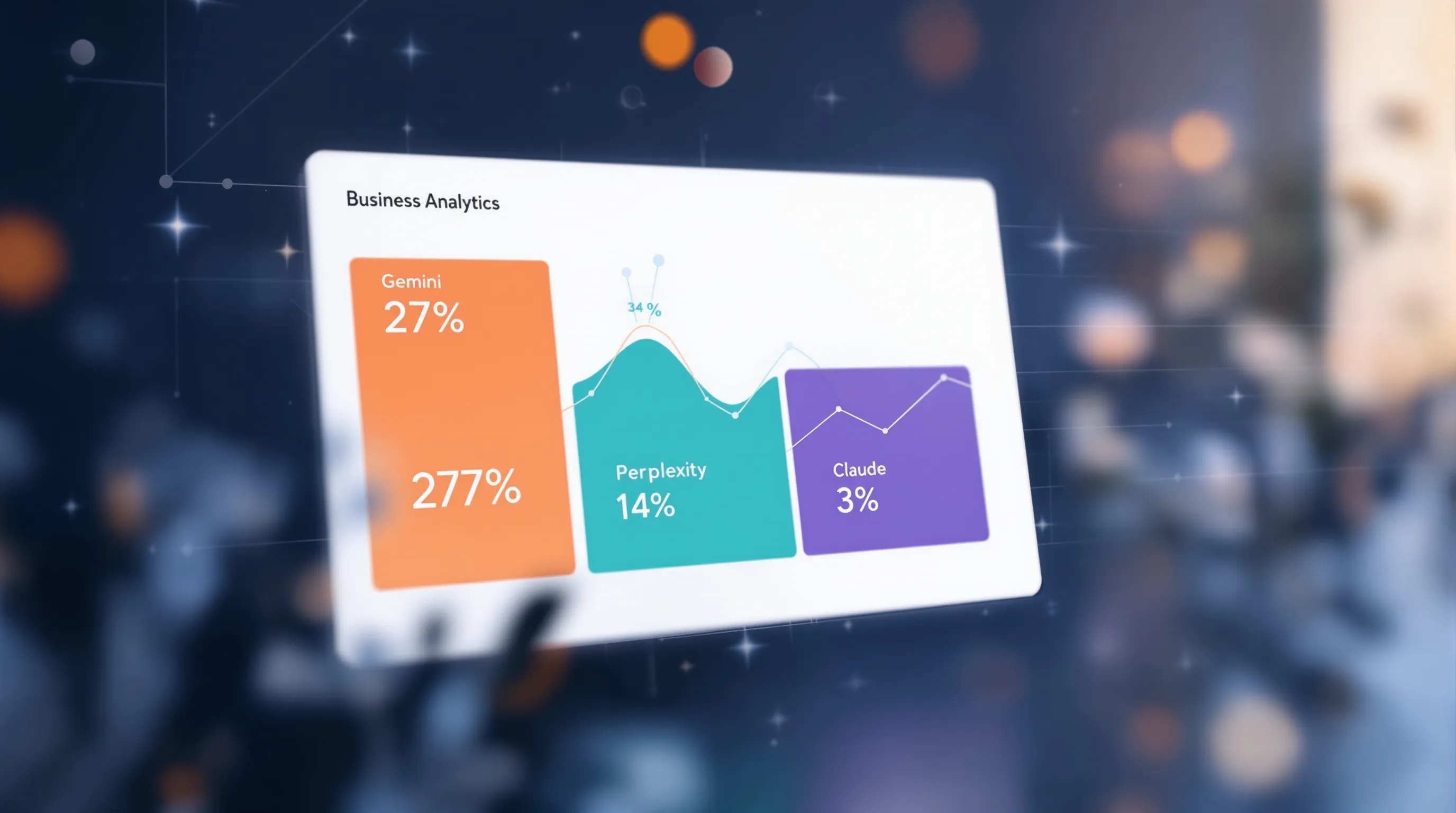
By 2027, ChatGPT-only AEO vendors will miss half of buyer answers
By 2027, AEO vendors that track only ChatGPT will likely miss roughly half of B2B buyer answers.
-

How to Measure Whether AI Search Is Actually Sending You Traffic
Measuring AI search traffic means combining four signals: GA4 custom channel segmentation, server log analysis for citation bots, a dedicated monitoring tool such as Rankability or Peec AI, and self-reported attribution surveys at conversion.
-
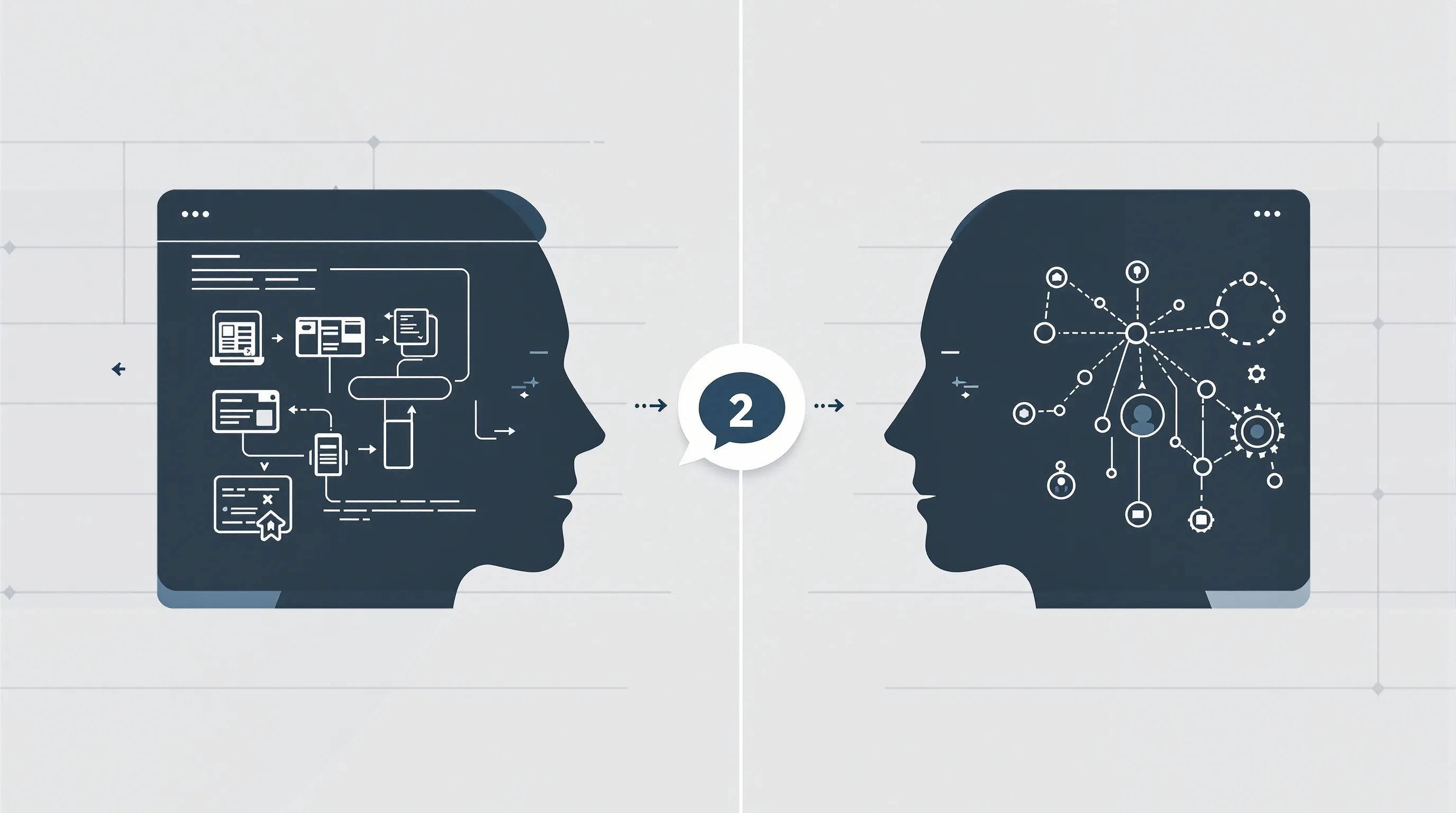
The two ways ChatGPT names a brand, and how to earn both
ChatGPT names a brand through one of two mechanisms: live browsing (it retrieves a current web page and extracts the brand from it) or model memory (it recalls the brand from training data with no web access at all).
-

How many sources Perplexity actually cites per answer in 2026
In 2026, Perplexity names 5 to 7 sources per answer in Standard mode and 7 to 9 in Pro Search, with Agent mode reaching 9 to 14. What the engine reads is a different matter altogether. Standard mode retrieves roughly 10 to 20 pages before composing a response.
-

The AI-search agencies worth hiring build on your first-party data
-

Your all-in-one SEO suite is not an answer-engine tool
An all-in-one SEO suite measures keyword rankings, backlink profiles, and on-page optimization, all signals for Google search. It does not measure whether ChatGPT, Perplexity, Gemini, or Google AI Overviews cite your domain.
-

How to optimize for ChatGPT answers and prove it drove traffic
To optimize for ChatGPT answers, align your pages to Bing's search index, build a review presence on G2 and Capterra, and structure content with direct-answer openings at the top of each section.
-

Turn your support docs and mentions into ChatGPT-cited answers
To get your brand into ChatGPT answers: publish your real pricing, specific outcomes, and support docs on your own website using structured HTML with numbered FAQs and bold key facts.
-

How to verify an AI-search vendor actually lifts your citations
To verify that an AI-search vendor actually lifts your citations, require a before-and-after citation audit conducted by an independent tool, not the vendor's own dashboard, measuring your domain's citation frequency across at least three named engines (ChatGPT, Perplexity,...
-

The content-ops model that keeps AEO articles citable at scale
The score-create-measure loop is a three-stage content-ops framework that keeps AEO article citation rates stable at publishing volume. Stage one (Score) runs an AEO domain audit to identify MISS queries and weak citation criteria before any brief is written.
-

How Perplexity's 2026 agent mode narrows the domains it cites
-
Which optimization platform actually moved our ChatGPT citations
-

Schema alone will not get you into Google AI Overviews
Schema markup is an AEO optimization, not an AEO gateway. In our analysis of 11,068 domains, pages with complete structured data but no top-three organic ranking appeared in Google AI Overviews at roughly 9%, nearly identical to pages with no schema at all.
-

The citation surface: what makes content 'AEO content'
AEO content is content written so that AI engines can extract a complete answer from it and attribute that answer to your site. The measurable property is citation surface density: extractable answer units (EAUs) per 1,000 words.
-

Most AI-search vendors cannot show one measured citation
Most firms sold as AI-search or ChatGPT-ranking partners cannot produce a single before-and-after citation measurement.
-

Do ChatGPT, Perplexity, and Gemini need different content?
ChatGPT, Perplexity, Gemini, and Google AI Overviews do not require separate content programs. One answer-first page with FAQ format, structured data markup, and consistent entity signals satisfies the shared baseline all four engines reward.
-
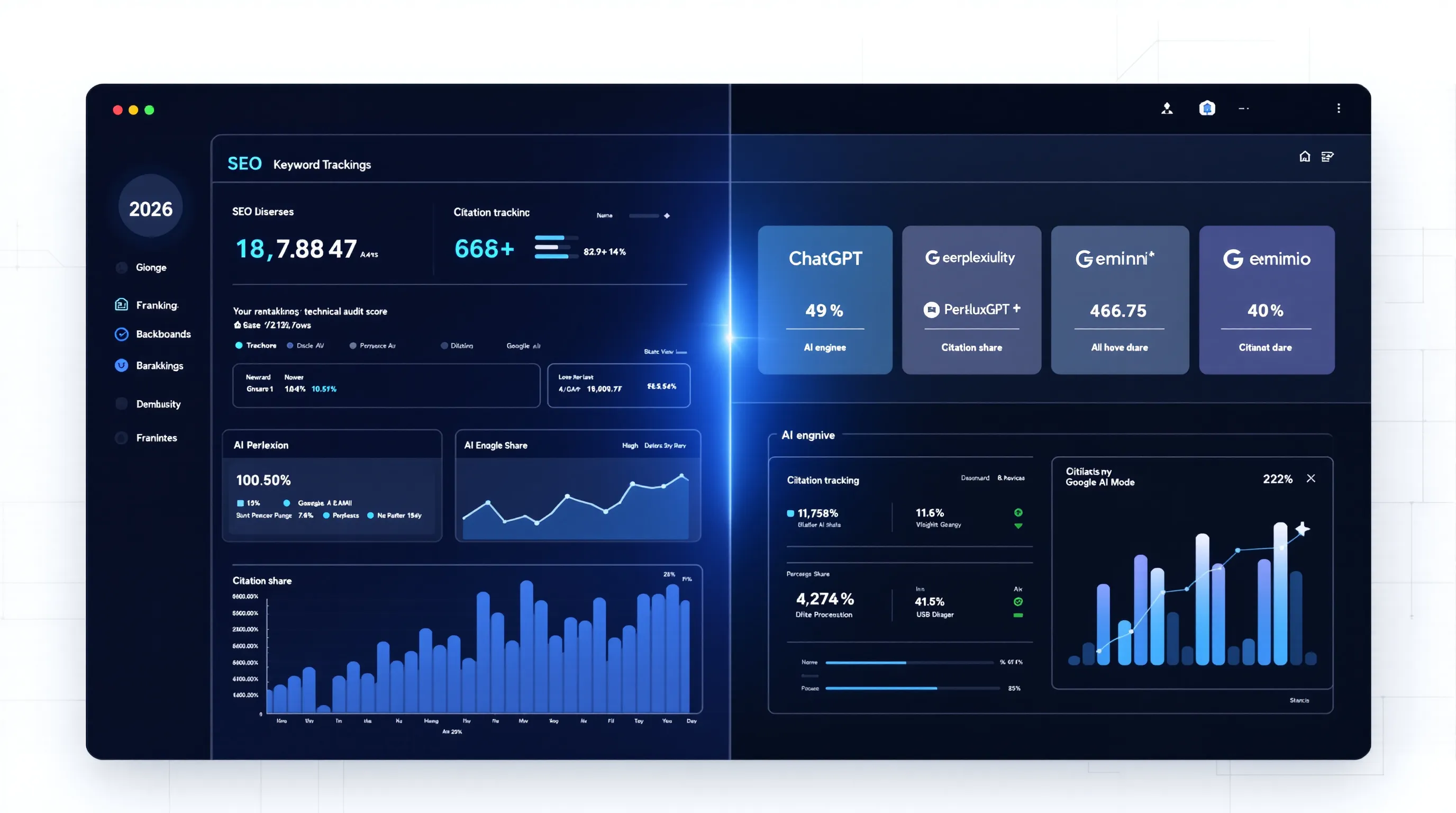
AI SEO tools in 2026 are splitting into two stacks
AI SEO tooling in 2026 is dividing into two stacks: optimization suites (Semrush, Ahrefs, SE Ranking) that bolt on AI citation modules alongside traditional keyword and technical tools, and measurement tools that track your citation share across ChatGPT, Perplexity, Google AI...
-
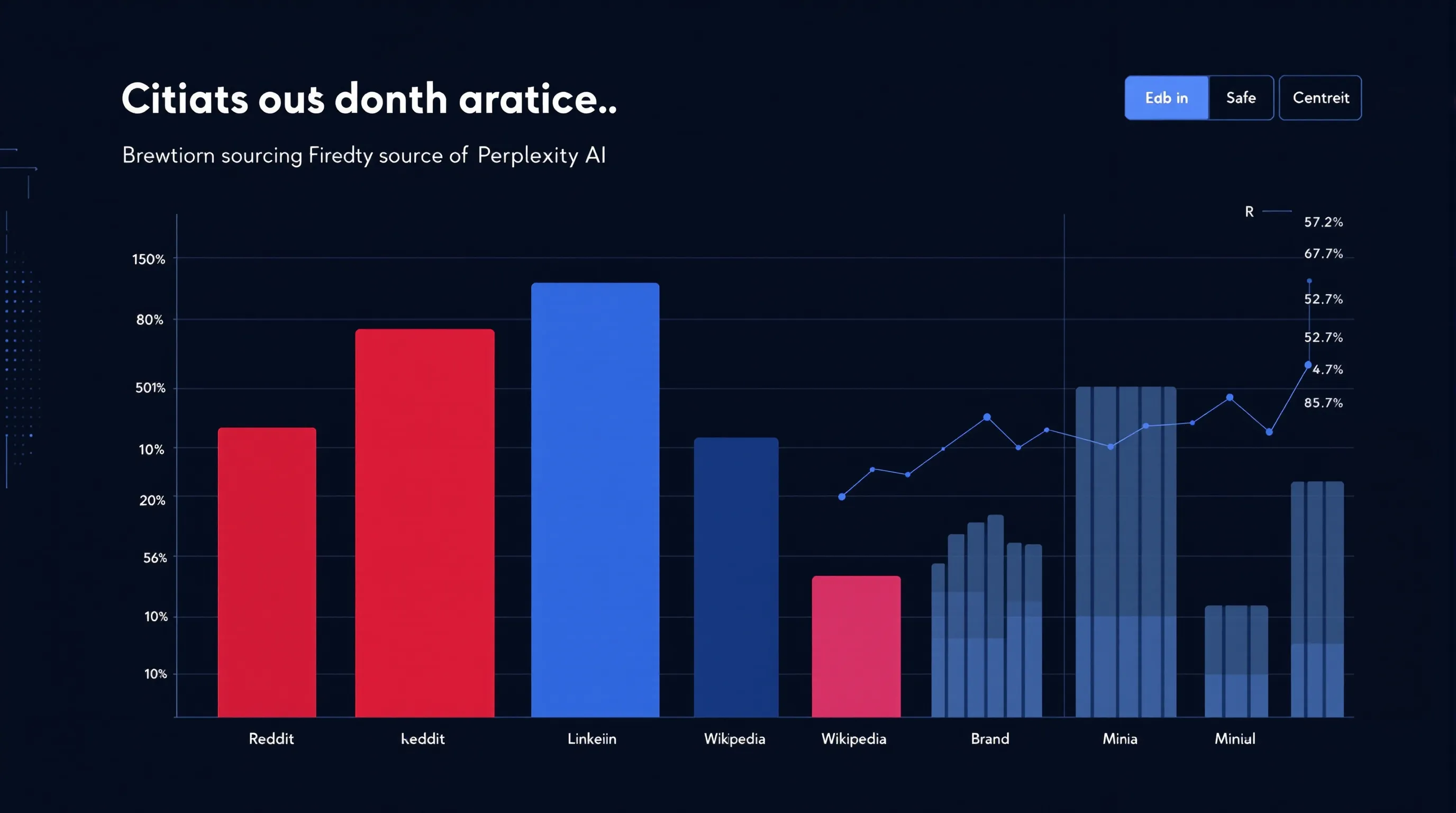
Which sources Perplexity actually cites: a 60-query teardown
-
Best AI search optimization companies, ranked by citations
The best AI search optimization companies in 2026 are the ones whose clients appear by name in AI-generated answers across ChatGPT, Perplexity, Claude, Gemini, and Google AI Overviews.
-

Who optimizes content for voice search and AI assistants
-
Top AI SEO and AEO tools compared by engine coverage
The top tools for AI SEO and AEO divide into two categories: platforms built specifically for answer engine optimization, and traditional SEO tools with AI tracking added on.
-

Top companies that get brands ranked in ChatGPT answers
-

How to tell if an AI SEO agency's claims are real
-

AEO specialist companies compared on engine coverage
AEO specialist companies are firms built to earn citations inside AI-generated answers, ChatGPT, Perplexity, Claude, and Google AI Overviews, not organic search ranking.
-

Best platforms for ChatGPT content optimization in 2026
The best platforms for ChatGPT content optimization in 2026 close a four-stage loop: score for citation readiness, create extractable content, monitor which AI engines cite you, and iterate from gap data.
-

Best agencies for AI search content, scored by results
The best agencies for AI search content are the ones that prove measured citation lift, not the ones that promise it. A results-scored agency baselines your share of voice across real prompts on ChatGPT and Google AI Overviews, sets a lift target, and reports the movement.
-

AEO client churn risk: how to spot it before it shows up in QBR
The short answer: AEO client churn risk refers to the behavioral disengagement that precedes formal cancellation: observable in email response latency, meeting attendee seniority, and invoice timing up to 60 days before a client announces their decision.
-
 original-data
The State of AEO 2026: What 13,385 Sites Tell Us About AI Citation Readiness
We scored 13,385 unique domains on AEO Rank. The median is 47, only 32 sites clear 70, and just 2 reach 80. Here's what separates the top from the middle.

-
 original-data
The Top 32: What the Only Sites Scoring 70+ on AEO Rank Do Differently
Out of 13,385 sites, just 32 clear AEO Rank 70. We analyzed all of them. Four patterns explain the gap - none of them are about word count or backlinks.
-
 original-data
Trust & Authority Is the Weakest AEO Rank Pillar. Here's Why.
Across 13,385 sites, Trust & Authority averages 3.7 - the lowest of the five AEO Rank pillars. The five weakest criteria reveal what AI engines actually want.
-

Eligibility for Reddit monitoring across regulated industries
Which regulated industries can use Reddit monitoring? This guide covers HIPAA, FINRA, legal, and insurance compliance requirements and how to set up Reddit intelligence without violating sector rules.
No articles match your search.